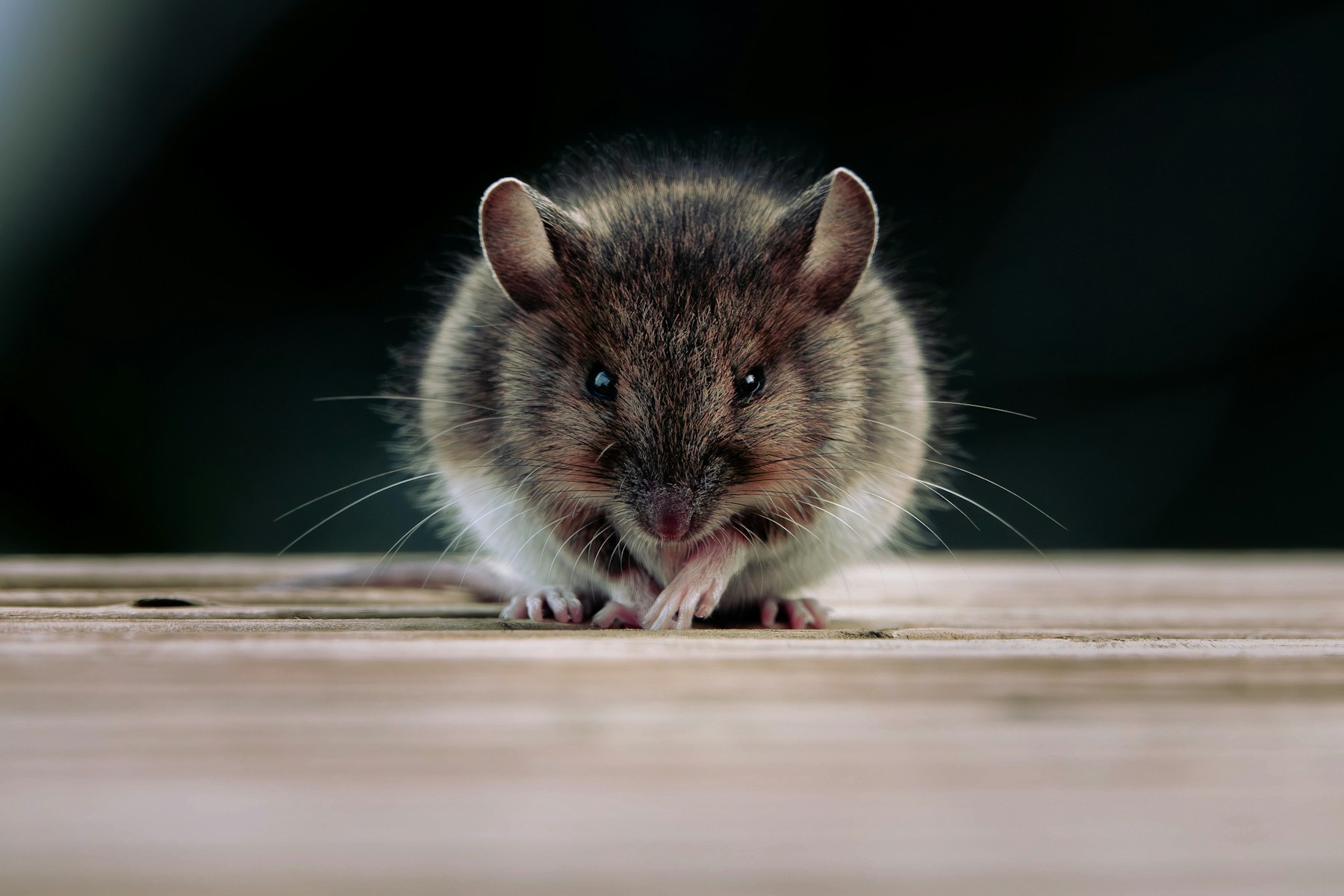
- The lifespan evidence is in mice: up to 23% longer median lifespan in males and 26% in females when started at 9 months in the NIA's testing programme, and smaller gains even when started at about 20 months. No trial has measured human lifespan
- The human trials are small and short, mostly a few dozen to a few hundred people for 6 to 48 weeks, measuring vaccine response, infections, body fat or physical function
- PEARL missed its main goal: after 48 weeks of weekly rapamycin, visceral fat didn't change. Some secondary measures improved in women on 10 mg
- A 2026 trial suggests it may blunt exercise gains in older adults; some analyses favoured placebo
- It's a powerful prescription drug that suppresses immunity at transplant doses and interacts with common antibiotics, antifungals and grapefruit juice. Any use belongs with a doctor who monitors you
If you follow longevity podcasts, you've probably heard someone say they take rapamycin. It's an old, generic transplant drug with one of the best animal records of any drug tested for ageing, which has made it the poster child of "take it now, don't wait for the trials".
Here's what the human trials show, what the risks are, and what nobody knows yet. This isn't medical advice and we give no doses: talk to your doctor.
What Rapamycin Is and Why Ageing Researchers Care
Rapamycin, also called sirolimus, was "first discovered in soil from Easter Island almost 50 years ago" (Mannick and Lamming, Nature Aging 2023). As Rapamune, it is FDA-approved to prevent organ rejection in kidney transplant patients aged 13 and over, and to treat lymphangioleiomyomatosis (LAM), a rare lung disease (FDA label). Related drugs called rapalogs, such as everolimus, are approved for certain cancers and some genetic disorders.
It blocks a protein called mTOR (mechanistic target of rapamycin). One of its two complexes, mTORC1, responds to "a wide range of nutrients and hormonal cues", drives growth, and when nutrients are plentiful acts as a brake on autophagy, the cell's recycling system. Turning it down, the theory goes, slows some ageing processes.
Rapamycin acutely inhibits mTORC1 but not the second complex, mTORC2. Prolonged high doses can inhibit mTORC2 too, which researchers think causes many of the blood sugar and lipid side effects. Hence the low, intermittent off-label doses: a reasonable hypothesis, not a proven one.
Why Rapamycin Is the Mouse Champion
Evidence: Strong in mice — replicated across labsRapamycin extends lifespan in yeast, worms and flies, but the landmark result came from the NIA's Interventions Testing Program (ITP), which tests compounds in genetically diverse mice at three independent labs. In 2009 it reported that rapamycin extended median and maximum lifespan in both sexes when started at 600 days of age, about 20 months. Measured by the age at which 90% of mice had died, the gain was 14% for females and 9% for males (Harrison et al., Nature 2009).
A 2014 follow-up started mice at 9 months on three doses. The effect grew with the dose, and females gained more at every dose, perhaps partly because their blood levels of the drug were higher (Miller et al., Aging Cell 2014). How it compares with the ITP's failures is in our piece on the AMPK drug that extended lifespan in flies.
Mouse median lifespan gain by rapamycin dose
Miller et al., Aging Cell 2014, Table 1: change in median lifespan versus same-sex controls, genetically heterogeneous mice pooled across three sites, treated from 9 months. Doses in parts per million of food. n.s. = not significant. Mouse doses don't translate to human ones.
Beyond mice. In an ongoing study of 66 middle-aged marmosets, small monkeys, rapamycin has so far been well tolerated, though some had higher fasting glucose or triglycerides (Mannick and Lamming 2023). A small pilot in dogs found no statistically significant side effects and improved measures of heart function. The Dog Aging Project's TRIAD study, a placebo-controlled trial in healthy middle-aged companion dogs, is designed to test whether rapamycin prolongs lifespan; its design was published in 2025 (GeroScience 2025).
What the Human Trials Have Tested
Evidence: Preliminary — small, short trials of surrogate outcomesImmune ageing: the Novartis trials
The first serious test in healthy older people came from Novartis. In a 2014 trial, 218 adults aged 65 and over took everolimus (0.5 mg daily, 5 mg weekly or 20 mg weekly) or placebo for six weeks, then had a flu jab. Everolimus "significantly improved the response of older adults to influenza vaccination", by "about 20%" according to the 2014 paper's abstract, and reduced the share of "exhausted" PD-1-positive T cells, a sign of immune ageing. The 0.5 mg daily and 5 mg weekly regimens were well tolerated (Mannick et al., Sci Transl Med 2014, as summarised in Mannick and Lamming 2023).
A 2018 follow-up gave 264 adults aged 65 and over six weeks of low-dose everolimus, a second mTOR inhibitor called BEZ235, both, or placebo. Over the next year, the combination group reported 1.49 infections per person against 2.41 on placebo (Mannick et al., Sci Transl Med 2018).
Then came the real test. A phase 2b trial of BEZ235 (renamed RTB101) in 652 people met its primary endpoint for laboratory-confirmed respiratory infections, but a phase 3 trial in more than 1,000 people did not reduce "clinically symptomatic respiratory illness" (Mannick et al., Lancet Healthy Longev 2021, as summarised in Mannick and Lamming 2023).
A first safety pilot with rapamycin itself
In a 2018 pilot, 25 generally healthy adults aged 70 to 95 took 1 mg of rapamycin or placebo daily; those analysed completed at least eight weeks. Cognition and physical performance didn't change; some red blood cell measures fell, though not to a clinically significant degree, the authors judged. Five people reported possible side effects: rash, mouth sores (stomatitis) and stomach complaints on rapamycin, and mouth sores on placebo. The authors called for a larger, longer trial (Kraig et al., Exp Gerontol 2018).
PEARL: a year of weekly rapamycin
PEARL was a decentralised, double-blind, placebo-controlled trial: healthy adults aged 50 to 85 took 5 mg or 10 mg of compounded rapamycin, or placebo, once a week for 48 weeks. 114 completed it (40 on 5 mg, 35 on 10 mg, 39 on placebo); 35.1% were women (Moel et al., Aging 2025).
- Primary endpoint: "Visceral adiposity did not change significantly" (p = 0.942).
- Women on 10 mg: lean tissue mass (compared with placebo) and self-reported pain improved significantly.
- 5 mg group: self-rated general health improved across sexes; emotional well-being improved in both the 5 mg and placebo groups.
- Epigenetic age, measured in only 24 people, showed no meaningful differences (our guide to biological age tests explains why these numbers are soft anyway).
- Safety: "Adverse and serious adverse events were similar across all groups." Stomach and gut symptoms were reported more often with rapamycin (8 and 7 reports) than placebo (4).
Three caveats. The compounded rapamycin produced about a third of the blood concentration of the commercial drug after 24 hours. The authors wrote that any efficacy signal "with such small numbers is decidedly unexpected". And all seven authors are listed as "employees and shareholders of AgelessRx", which provided administrative support and paid publication fees; funding came mainly from crowdfunded donations.
RAPA-EX-01: rapamycin and exercise (2026)
Published in April 2026, this trial randomised 40 sedentary adults aged 65 to 85 to 6 mg of sirolimus or placebo weekly for 13 weeks, alongside home exercise three times a week. Both groups improved on the primary test, 30-second chair-stands, and placebo improved more; the gap wasn't significant in the main analysis, but two sensitivity analyses significantly favoured placebo. The same share of each group (85%) reported at least one adverse event, but total events were higher on sirolimus (99 vs 63), and the one serious event, a pneumonia, was in the sirolimus group. The authors concluded sirolimus did not enhance exercise gains and may have modestly blunted them (Stanfield et al., J Cachexia Sarcopenia Muscle 2026; Lifespan.io).
Ovarian ageing: VIBRANT (results pending)
At Columbia University, VIBRANT randomised 50 healthy women aged 38 to 45 to 5 mg of rapamycin weekly or placebo for three months, with follow-up to a year, to see whether it slows the loss of ovarian reserve (NewYork-Presbyterian). The department's 2024 annual report said early results suggest it may "decrease ovarian aging by 20%" (Columbia). We couldn't find this in a peer-reviewed journal; treat it as preliminary.
Human trials of mTOR inhibitors for ageing
| Trial | Who | Drug and schedule | Main outcome | Result |
|---|---|---|---|---|
| Mannick 2014 Novartis | 218 adults ≥65 | Everolimus 0.5 mg daily, 5 mg or 20 mg weekly, 6 weeks | Flu vaccine response | Improved fewer exhausted PD-1+ T cells |
| Mannick 2018 Novartis | 264 adults ≥65 | Low-dose everolimus and/or BEZ235, 6 weeks | Vaccine response; infections over a year | Fewer infections with combination 1.49 vs 2.41 per person per year |
| Phase 3, 2021 | More than 1,000 adults ≥65 | BEZ235 | Symptomatic respiratory illness | Not met phase 2b (652 people) had met its endpoint |
| Kraig 2018 | 25 adults 70–95 | Rapamycin 1 mg daily, ≥8 weeks | Safety, physical and cognitive function | No change in function some red-cell measures fell; mouth sores, rash |
| PEARL 2025 | 114 completers, 50–85 | Compounded rapamycin 5 or 10 mg weekly, 48 weeks | Visceral fat | Not met lean mass and pain better in women on 10 mg |
| RAPA-EX-01 2026 | 40 sedentary adults 65–85 | Sirolimus 6 mg weekly + exercise, 13 weeks | Chair-stand gains | Not met sensitivity analyses favoured placebo |
| VIBRANT | 50 women 38–45 | Rapamycin 5 mg weekly, 3 months | Ovarian reserve | Awaiting peer-reviewed results |
None of these trials measured lifespan. "Not met" means the primary endpoint wasn't reached. Full references are in the Sources list at the end.
A 2024 systematic review of 19 human studies found improvements in ageing-related measures of immune, cardiovascular and skin health, but no overall significant effects on endocrine, muscle or brain measures. No serious adverse events were attributed to the drugs in healthy people; in people with age-related diseases there were more infections and higher cholesterol and triglycerides (Lee et al., Lancet Healthy Longev 2024).
The Risks, Dose by Dose
Evidence: Well documented at transplant doses — limited at low dosesAt transplant doses. Rapamune carries a boxed warning: "Increased susceptibility to infection and the possible development of lymphoma may result from immunosuppression." It also warns of raised blood lipids, impaired wound healing, fluid build-up, lung inflammation, angioedema and skin cancer, and says to avoid live vaccines. In one kidney transplant study at 2 mg a day, given with cyclosporine and steroids, 54% had swollen limbs (peripheral oedema), 45% high triglycerides and 45% high blood pressure. In the LAM trial, the most common reactions (≥20%) included stomatitis, diarrhoea, abdominal pain, nausea and acne, and new-onset diabetes has been reported after switching to sirolimus (FDA label). Mannick and Lamming describe the mouth ulcers as "similar to canker sores".
At low, intermittent doses. Milder, but not blank. PEARL found similar adverse event rates, with more gut symptoms on rapamycin; RAPA-EX-01 found more events on sirolimus. In a self-reported 2023 survey of 333 off-label users, mouth sores were the only condition reported significantly more often than by non-users (Kaeberlein et al., GeroScience 2023; also reported by The Washington Post). A survey of self-selected users can't establish safety. The low-dose rapamycin trials lasted 8 to 48 weeks, and none was large or long enough to detect uncommon or long-term harms.
Participants reporting any adverse event, 48 weeks
Moel et al., Aging 2025. Gut symptoms were reported more often on rapamycin (8 and 7 reports vs 4 on placebo). The compounded rapamycin reached about a third of the blood level of the commercial drug, so these rates may not apply to standard tablets.
Drug interactions. Sirolimus is handled by the enzyme CYP3A4 and the transporter P-glycoprotein, so other drugs can push its levels up or down. The label says to avoid strong inhibitors, including the antifungals ketoconazole, voriconazole and itraconazole and the antibiotics clarithromycin, erythromycin and telithromycin, and strong inducers such as rifampin and rifabutin, and not to take it with grapefruit juice. It recommends monitoring blood (trough) levels in all patients.
The off-label scene. Rapamycin is prescription-only and not approved for ageing. In 2024, The Washington Post found "more than two dozen medical practices" prescribing it as an anti-ageing treatment, with telehealth companies "bringing it to thousands of patients nationally". The paper judged FDA approval for longevity unlikely. Mannick, lead author of the Novartis trials, told the paper: "I don't know yet what's the right dose, what's the right duration, what are the risks, what are the benefits."
What We Know, What We Don't, and What to Ask Your Doctor
What we know: rapamycin reliably extends lifespan in mice, even when started late; short courses of mTOR inhibitors can improve older people's vaccine responses; and low weekly doses haven't produced alarming safety signals in small trials of healthy volunteers.
What we don't: whether it extends human life or healthy life; the right dose, schedule or duration; what years of use do; and who, if anyone, should take it. The trials are small, short and measure surrogate outcomes, and three of the most recent missed their primary endpoints. Even Mannick and Lamming wrote that "excitement about rapamycin has outpaced rigorous evidence" that these drugs are safe and effective for age-related disease.
If you're considering it:
- Talk to your own doctor first, ideally one who knows your full history. Ask what they'd monitor (lipids, glucose, blood counts) and how often.
- Tell every prescriber and pharmacist, because of interactions with common antibiotics and antifungals, and because immunosuppression matters before surgery or vaccines.
- Don't source it without a prescription. Even PEARL's compounded rapamycin reached only about a third of the commercial drug's blood level.
- Consider a registered trial, which adds to the evidence and comes with monitoring.
- Keep up the proven basics. Exercise has the human outcome data rapamycin lacks, and one trial suggests the drug may blunt exercise gains.
For a similar gap between mouse data and human proof, see our look at semaglutide and longevity.
Frequently Asked Questions
A mouse success story, still unproven in people.
Rapamycin has the strongest lifespan record of any drug tested in mice. In people, the evidence is a handful of small, short trials of surrogate outcomes, several of which missed their main goals. Nobody knows what years of use do.
If you're tempted, make it a conversation with your doctor, with monitoring, and keep doing the things that already have human evidence behind them.
Sources
- Mannick JB, Lamming DW. Targeting the biology of aging with mTOR inhibitors. Nature Aging 2023 (doi:10.1038/s43587-023-00416-y).
- US Food and Drug Administration. Rapamune (sirolimus) prescribing information, revised August 2018.
- Harrison DE, Strong R, Sharp ZD, et al. Rapamycin fed late in life extends lifespan in genetically heterogeneous mice. Nature 2009;460:392–395 (doi:10.1038/nature08221).
- Miller RA, Harrison DE, Astle CM, et al. Rapamycin-mediated lifespan increase in mice is dose and sex dependent and metabolically distinct from dietary restriction. Aging Cell 2014;13(3):468–477 (doi:10.1111/acel.12194).
- Dog Aging Project Consortium. Test of Rapamycin in Aging Dogs (TRIAD): study design and rationale. GeroScience 2025;47(3):2851–2877 (doi:10.1007/s11357-024-01484-7).
- Mannick JB, Del Giudice G, Lattanzi M, et al. mTOR inhibition improves immune function in the elderly. Science Translational Medicine 2014;6(268):268ra179 (doi:10.1126/scitranslmed.3009892).
- Mannick JB, et al. TORC1 inhibition enhances immune function and reduces infections in the elderly. Science Translational Medicine 2018;10(449):eaaq1564 (doi:10.1126/scitranslmed.aaq1564). Preprint: bioRxiv.
- Mannick JB, Teo G, Bernardo P, et al. Targeting the biology of ageing with mTOR inhibitors to improve immune function in older adults: phase 2b and phase 3 randomised trials. Lancet Healthy Longevity 2021;2(5):e250–e262 (doi:10.1016/S2666-7568(21)00062-3). As summarised in source 1.
- Kraig E, Linehan LA, Liang H, et al. A randomized control trial to establish the feasibility and safety of rapamycin treatment in an older human cohort: immunological, physical performance, and cognitive effects. Experimental Gerontology 2018;105:53–69 (doi:10.1016/j.exger.2017.12.026).
- Moel M, Harinath G, Lee V, et al. Influence of rapamycin on safety and healthspan metrics after one year: PEARL trial results. Aging (Albany NY) 2025;17(4):908–936 (doi:10.18632/aging.206235).
- Stanfield B, Leroux B, Kaeberlein M, Jones J, Lucas R. Exercise and weekly sirolimus (rapamycin) in older adults: RAPA-EX-01 randomised, double-blind, placebo-controlled trial. Journal of Cachexia, Sarcopenia and Muscle 2026;17(2):e70274 (doi:10.1002/jcsm.70274). See also Lifespan.io (21 April 2026).
- NewYork-Presbyterian. Pilot study evaluates weekly pill to slow ovarian aging, delay menopause. 23 May 2023; and Columbia University Department of Obstetrics and Gynecology, 2024 Annual Report.
- Lee DJW, Hodzic Kuerec A, Maier AB. Targeting ageing with rapamycin and its derivatives in humans: a systematic review. Lancet Healthy Longevity 2024;5(2):e152–e162 (doi:10.1016/S2666-7568(23)00258-1).
- Kaeberlein TL, Green AS, Haddad G, et al. Evaluation of off-label rapamycin use to promote healthspan in 333 adults. GeroScience 2023;45(5):2757–2768 (doi:10.1007/s11357-023-00818-1).
- Gilbert D. How a cheap, generic drug became a darling of longevity enthusiasts. The Washington Post, 15 March 2024 (reprinted by the Sun Journal).