Blue Zone Kitchen
Food that helps you
live longer
Recipes from the five regions where people consistently reach 90 and beyond — with the science behind why each dish matters.
Recipes from the five regions where people consistently reach 90 and beyond — with the science behind why each dish matters.
Every recipe here comes from one of the five Blue Zones — the regions where people consistently live past 90. These aren't wellness trend dishes. They are the actual foods eaten by the world's longest-lived populations, for centuries. Simple ingredients. Extraordinary results.
Plotted west to east — the only regions on the planet with verified concentrations of healthy centenarians. Pick a region to jump straight to its kitchen. Want the full story of all five? Read the Blue Zones guide →
Ikarians eat approximately half a litre of extra-virgin olive oil per person per day, legumes four to five times per week, and wild greens gathered from the hillsides. One in three Ikarians reaches their late eighties. Almost none have dementia. The diet is the foundation.
Read the Ikaria longevity science → Ikarian
 Whole fish, olive oil, lemon and wild oregano in one tin, 35 minutes. Includes the honest split between eating fish and taking omega-3 capsules.
 Blue Zone
 What dessert actually was in the Blue Zones: fruit, warmed, with honey and walnuts. Four ingredients, no pretending it is a brownie.
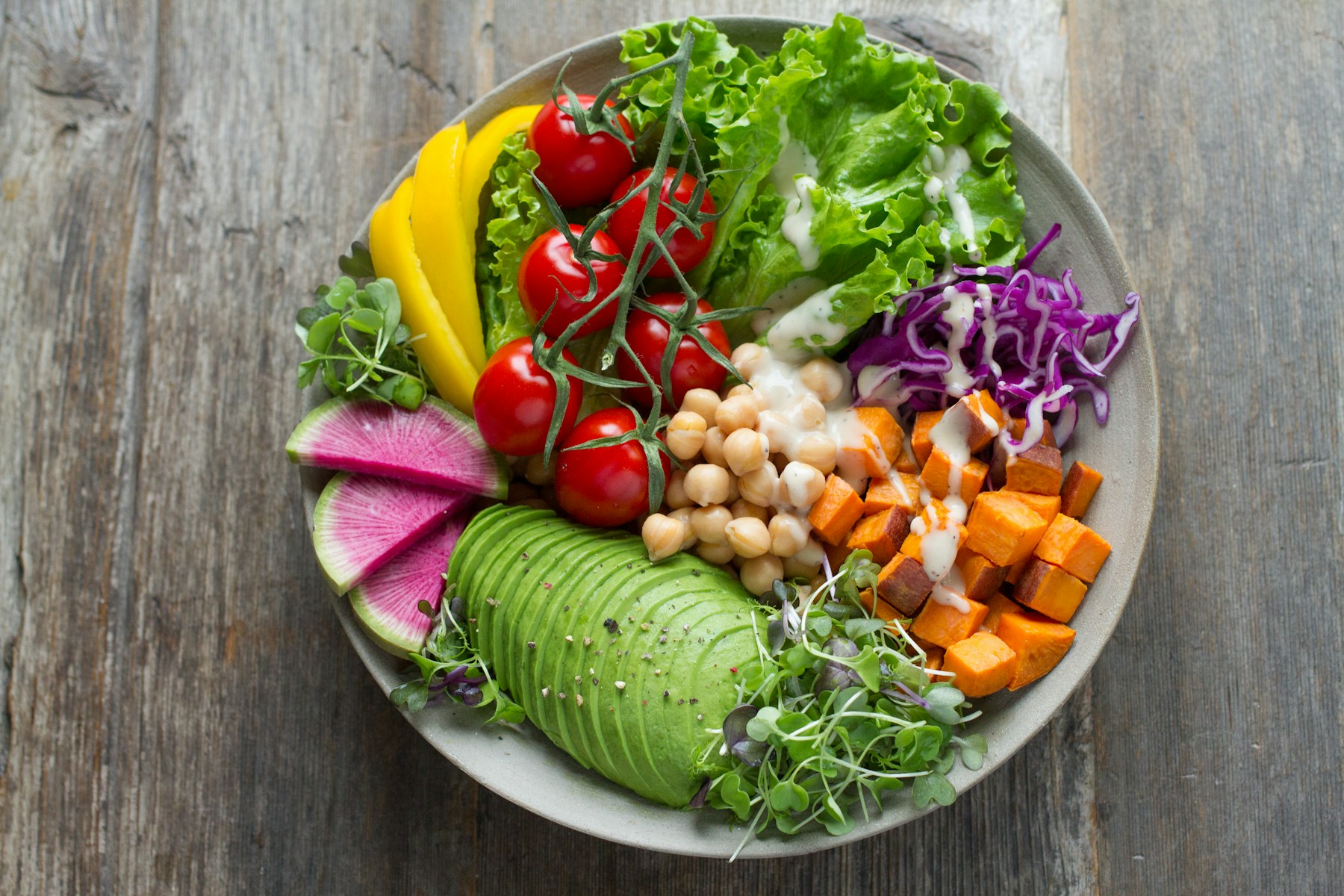
 ⭐ Featured Recipe
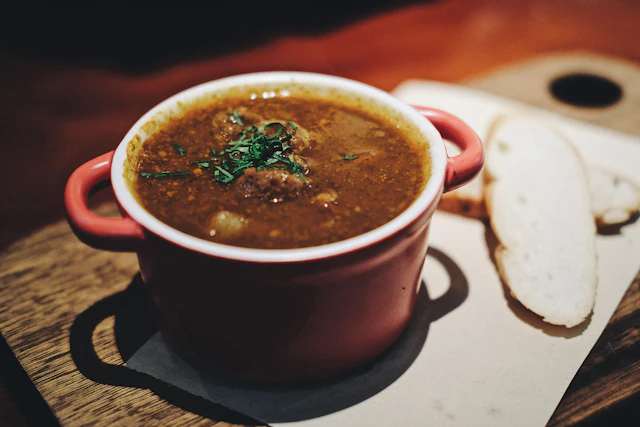
 The single most common food across all five Blue Zones. Ikarians eat lentils weekly — cooked long and slow with olive oil, rosemary, and bay leaf. Simple, cheap, extraordinary.
 Ikarian
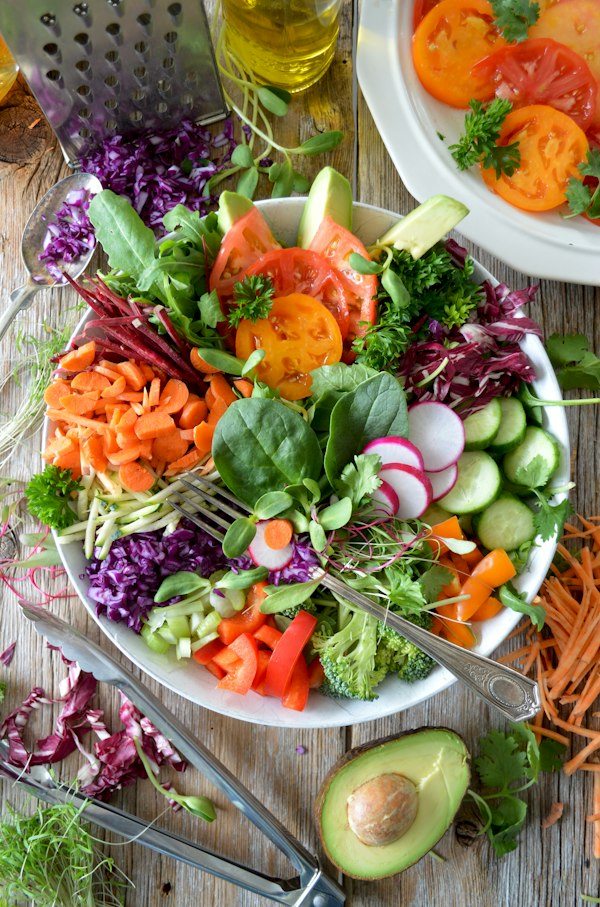
 Ikaria's most eaten side dish. Blanched bitter greens — dandelion, chicory, or spinach — finished with exceptional olive oil and lemon. Four ingredients. Extraordinary nutrition.
 Ikarian
 A mountain of wild greens and fresh herbs baked into a crisp olive-oil crust — how Ikaria turns its famous 150 foraged greens into a meal. Vegan without the feta.
 Ikarian
 Ikarians drink this wild herb tea daily — mildly diuretic, rich in antioxidants, linked to the island's remarkably low hypertension rates. A ritual as much as a beverage.
Traditional Okinawans practice hara hachi bu — eating until 80% full. Their diet is 90% plant-based, anchored in purple sweet potato, bitter melon, tofu, miso, and seaweed. Okinawan women once held the world record for longevity. The diet is the anchor.
Read the longevity science → Okinawan
 The seaweed dish at the centre of the Okinawan diet — kombu, tofu and carrot in twenty minutes. Plus an honest read on iodine, the one nutrient where more is worse.
 Okinawan
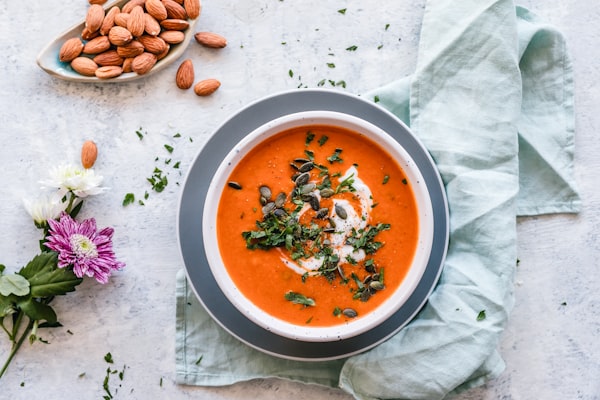
 Purple sweet potato provided 60% of calories in traditional Okinawa. This champuru — stir-fry — adds tofu, bitter melon, and egg for a complete longevity meal in 20 minutes.
 Okinawan
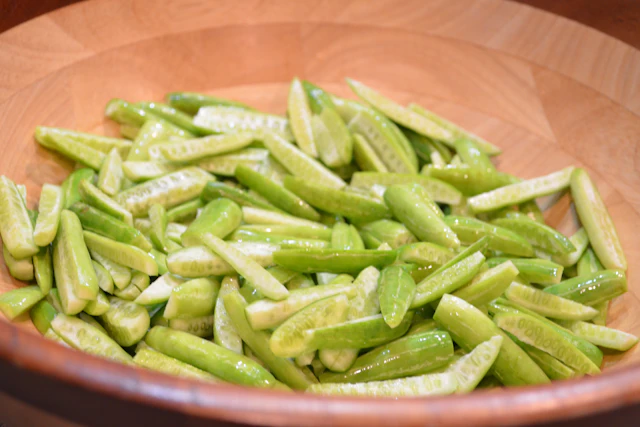
 Okinawans eat miso soup for breakfast. The fermented miso feeds gut bacteria; wakame seaweed provides iodine and fucoidan. A three-minute morning ritual backed by a century of data.
 Okinawan
 Okinawa's signature dish — bitter melon, seared tofu and egg. The bitterness is the point: it's the vegetable Okinawan elders credit most often for their health.
The Sardinian Blue Zone in Nuoro province has the world's highest concentration of male centenarians. The diet is Mediterranean with a pastoral flavour — pecorino cheese, fava beans, flat bread, goat's milk, and red wine (Cannonau, with the highest polyphenol content of any wine in the world).
Read the Sardinia longevity science → Sardinian
 Young fava, mint, pecorino and olive oil — the Sardinian spring plate. Includes the favism warning that matters more on this island than anywhere else, and the folklore that turns out to be wrong.
 Sardinian
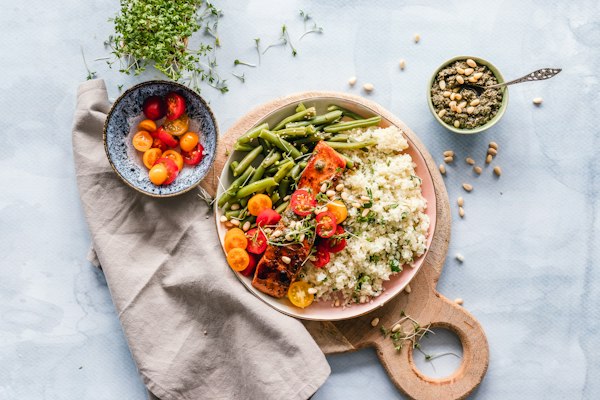
 The soft sour everyday loaf of the Barbagia highlands — semolina, a live starter, and an overnight cold ferment. Includes an honest read of the 27-study sourdough evidence.
 Sardinian
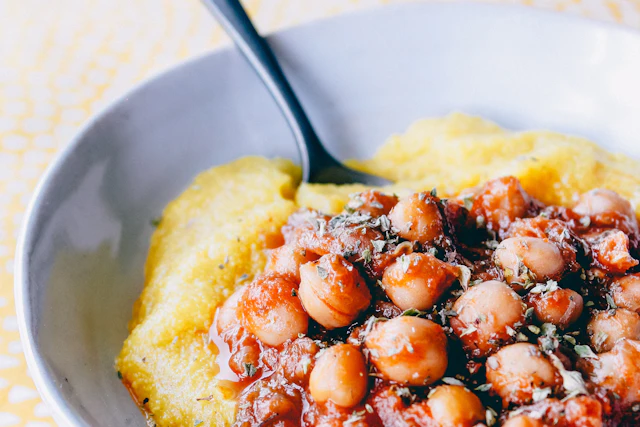
 A thick, slow-cooked vegetable and legume soup eaten year-round in the Nuoro highlands. Fava beans, seasonal vegetables, Pecorino Romano, and cold-pressed olive oil. The taste of 100 years.
 Sardinian
 Toasted semolina pasta simmered with chickpeas, tomato, and rosemary. The grain-plus-legume one-pot behind the world's longest-lived men. One pot, 40 minutes.
Nicoyan centenarians eat a "three sisters" diet — corn, beans, and squash — that has sustained Mesoamerican populations for millennia. Black beans and masa corn tortillas form the daily foundation. The simplest, most affordable longevity diet of all five zones.
 All Zones
 The technique under a dozen other recipes. Batch method, the salt argument settled, and the 2026 meta-analysis of 12 prospective studies that puts a number on the cup-a-day advice.
 Nicoyan
 The everyday Nicoyan pan — chayote, black beans, corn and coriander, scooped up with a tortilla. The least glamorous recipe here and probably the most representative.
 Nicoyan
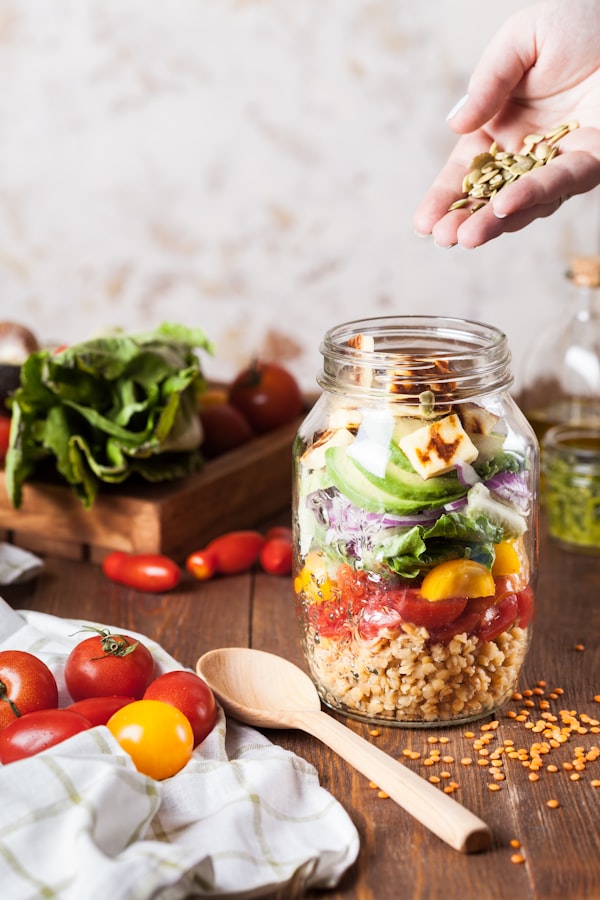
 Dried corn, water, and a spoonful of lime — the 3,000-year-old chemistry that freed maize's niacin and stopped pellagra. Nicoya's daily bread, made properly.
 Nicoyan
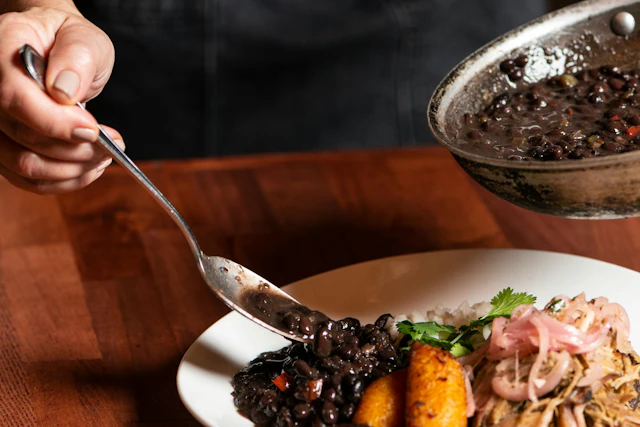
 Eaten at almost every meal in Nicoya — this is the most consumed dish in one of the world's great longevity regions. Black beans are among the most nutritionally complete foods on earth.
 Nicoyan
 The trio that has fed Mesoamerica for five thousand years still anchors Nicoya's tables. One pot, deeply savory, nutritionally complete by ancient design.
America's only Blue Zone is a Seventh-day Adventist community east of Los Angeles whose members live up to a decade longer than other Americans — and whose diet is the best-studied longevity pattern in the country: oats, nuts, beans, avocados, soy, and a weekly rhythm of rest. No exotic ingredients. Just the groceries you already know, eaten like they matter.
 Loma Linda
 Granola was invented by Adventists in 1863, not by a health-food shop in the 1970s. The original slow-bake method, restrained sweetener, and proper clusters.
 Loma Linda
 The Sunday-table centrepiece of Loma Linda — lentils, toasted walnuts, oats and sage. Carries the AHS-2 tree-nut data: 80,529 people, 11 years, HR 0.73 for heart mortality.
 Loma Linda
 The Adventist breakfast in a jar: oats, walnuts, flax and soy milk, set overnight. The nut habit alone is linked to roughly two extra years in the Adventist Health Study.
 Loma Linda
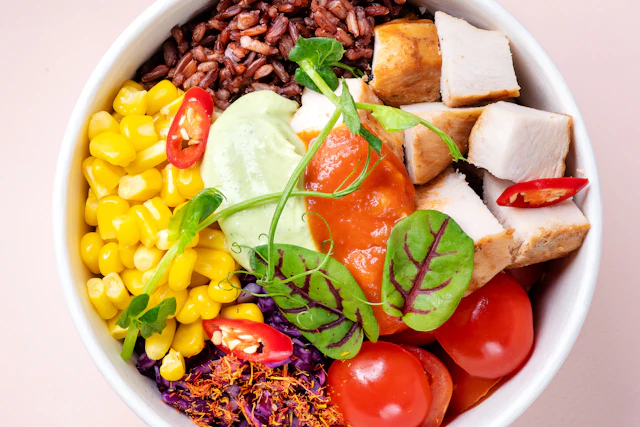
 The potluck classic of America's longest-lived community: beans, brown rice and a mountain of fresh vegetables, stacked by each eater. A complete Blue Zone meal in 20 minutes.