 Tool
Eleven questions, every number cited to a published study. See your evidence-based life expectancy estimate — and your biggest lever.
 Longevity
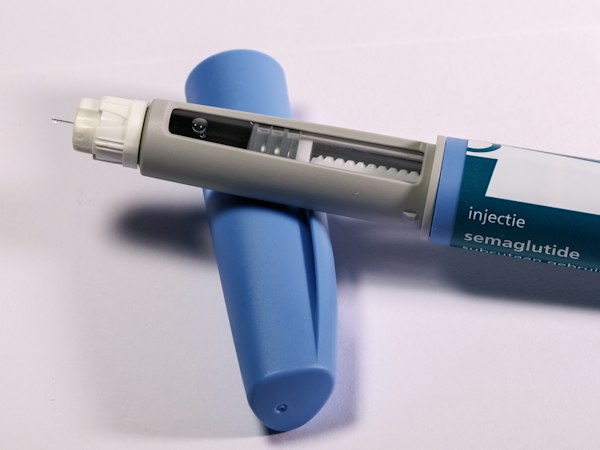
A new Nature study found semaglutide extended lifespan 12% in older mice. What it actually shows — and where the evidence stops.
 Metabolic
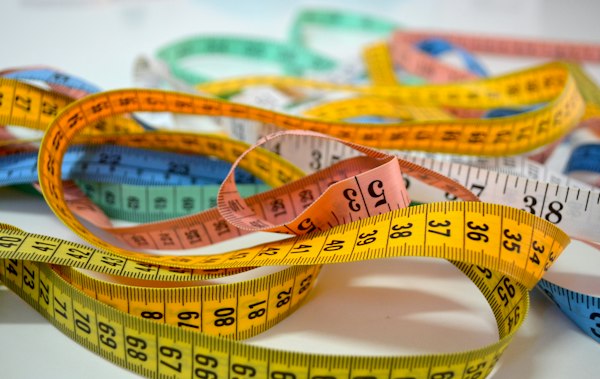
A Nature study of 844,108 adults tests the new clinical obesity definition: who gets reclassified, the critiques, and how to check your own waist.
 Supplements
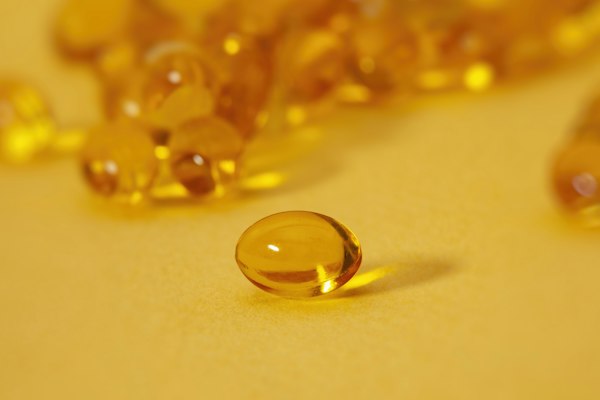
Big trials found 2,000 IU a day didn't cut cancer, heart disease or fractures in healthy adults. Who does need vitamin D this winter, and how much is safe.
 Fitness
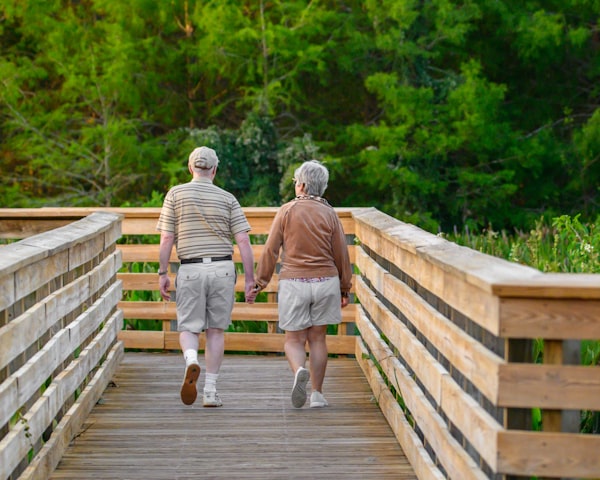
A 12-year study links faster walking to lower death risk. What it found, why speed is a health marker, how to test your own pace, and what helps.
 Heart
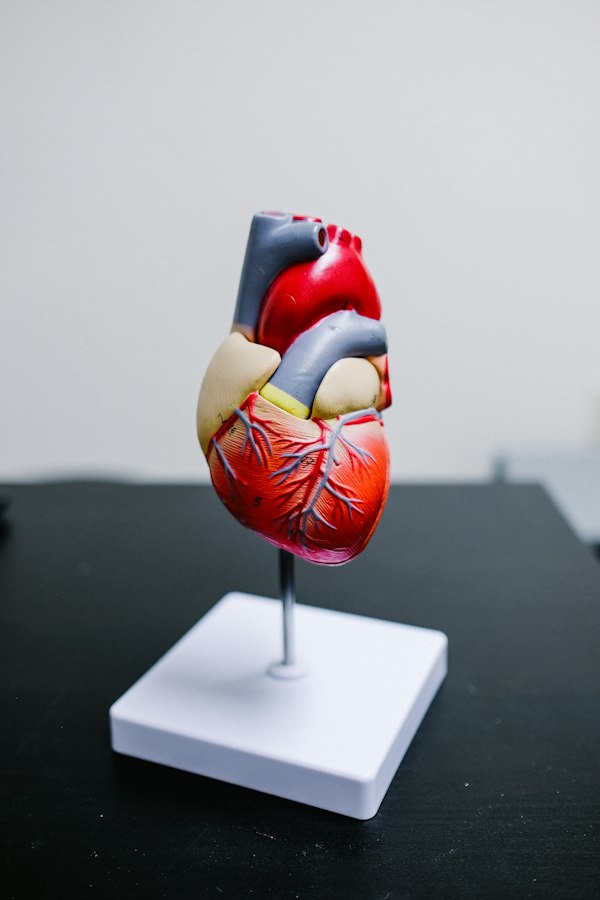
A 5,772-person trial found equal heart-event rates with scan-guided or risk-score statin advice and better adherence, but didn't prove the scan as safe.
 Nutrition
A new US study finds no protective effect from light drinking. Why the J-curve faded, what alcohol does to cancer risk, and today's drinking guidelines.
 Nutrition
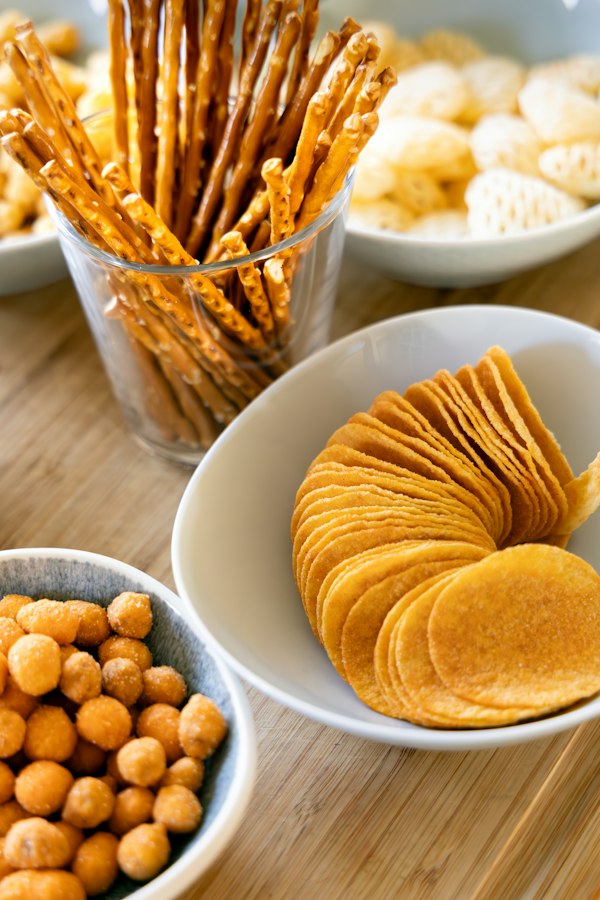
A 461,682-person study found no overall link between ultra-processed food and bowel cancer. What the trials, cohorts and NOVA's critics actually show.
 Longevity
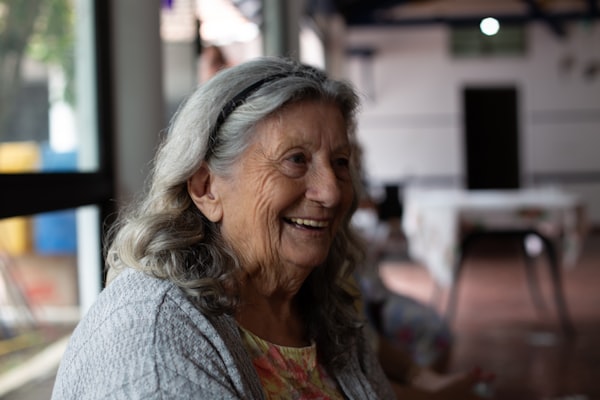
Married women and mothers live a little longer on average, but less so than men and with big caveats. What the large studies found, and what matters more.
 Nutrition
Big studies link 2–5 cups a day to lower death rates but can't prove cause. What the trials show, filtered vs French press, and caffeine limits.
 Health
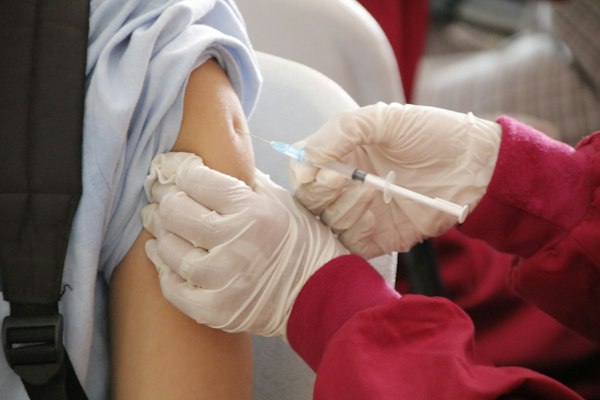
Flu is rising early this year, mostly H1N1. What CDC recommends now, why later isn't too late, the best shots for 65+ and what the evidence shows.
 Nutrition
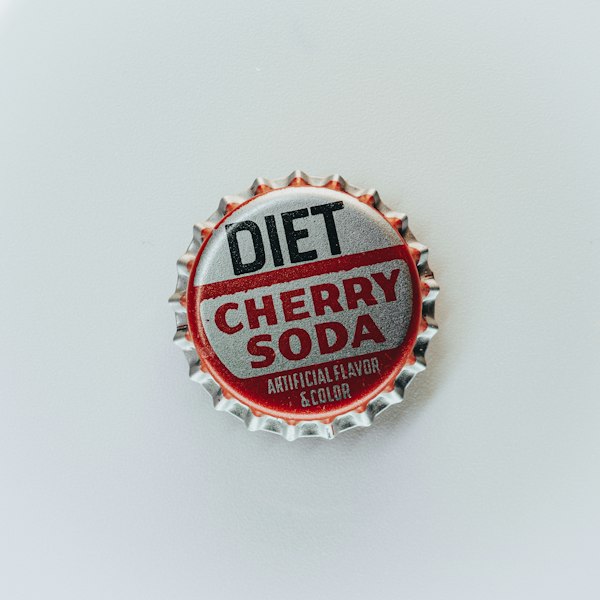
Aspartame's cancer label, erythritol and blood clots, gut bacteria and weight: what the studies show, and what a daily can of diet soda really means.
 Fitness
Low fitness is linked to a far higher risk of death. What the big studies found, how to estimate your VO2 max, norms by age, and what trials used to raise it.
 Longevity
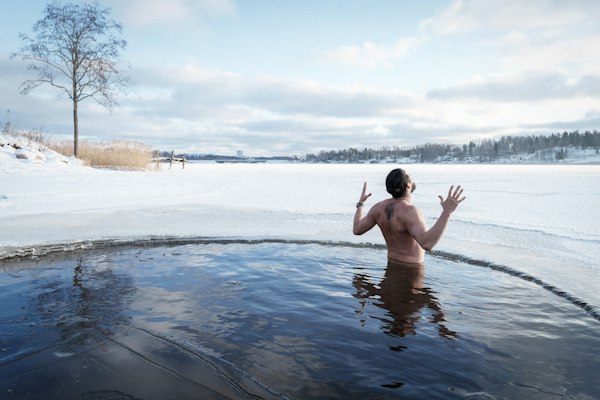
Ice baths are sold for stress, fat loss and dopamine. Most trials are small and in men, and a plunge right after lifting may blunt muscle gains.
 Longevity
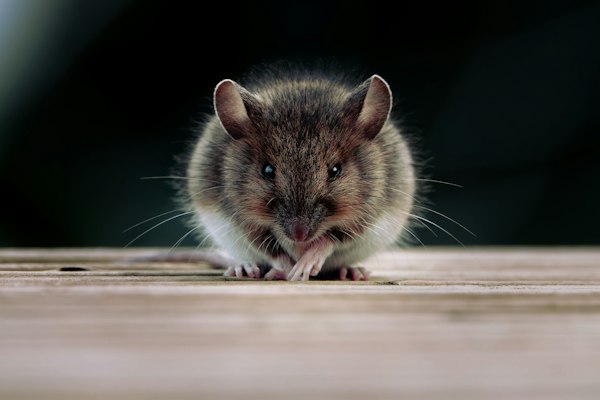
Rapamycin extends lifespan in mice and some people take it off-label. The human trials are small and short. What they found, the risks, and what's unknown.
 Longevity
Bryan Johnson's Blueprint covers sleep, diet, exercise, supplements and drugs. We graded each pillar against the research, from strong evidence to risky.
 Men's Health
Erection problems can appear years before heart symptoms. What the big studies found, what experts advise, and the checks to ask your doctor about.
 Men's Health
Should you get a PSA test, and when? What the big screening trials found, and what the USPSTF, ACS, AUA and UK advise by age, from 40 to 70+.
 Brain Health
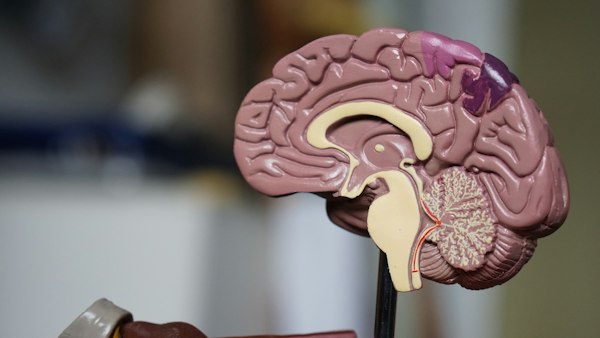
New yearly dementia cases are projected to double to 24.7 million by 2050. What the study found, why women face more risk, and the 14 risks you can change.
 Men's Health
Which blood tests after 40 are backed by guidelines, which to ask about and which to skip, from lipids and A1C to Lp(a), vitamin D and cancer blood tests.
 Evidence Check
A viral claim says a few minutes of red light improves eyesight. The studies are small and measured colour contrast, not sharpness. What's real, what's risky.
 Men's Health
The largest testosterone trial found no rise in heart attacks or strokes, but more AFib, kidney injury and clots. Who has low T and what TRT really does.
 Men's Health
BMJ study of 2.3 million: 10.9% of new statin users were dispensed a prescription pain reliever within a year. Why most aches aren't the statin, and what to do.
 Longevity
A direct AMPK activator extended lifespan in yeast, worms and flies, by over 25% in some cases. No mouse lifespan data yet. What the mouse record says.
 Men's Health
A 16,808-person NEJM study found silent artery plaque in 57% of adults with no heart disease, 1 in 13 under 30. The two blood tests, apoB and Lp(a), that find risk early.
 Men's Health
A study of 2,690 men followed for decades: 42% of those with five healthy heart numbers at 42 reached 90, vs 7% with none. The five numbers, today's targets and how to check yours.
 Men's Health
BPC-157, TB-500 and research-grade GLP-1s: how thin the human evidence is, what independent lab tests found in the vials, and what the FDA's advisory panel voted in July 2026.
 Blue Zones
Japan now has 107,677 people aged 100 or older — 88% of them women. What's really driving the record, why Okinawa, the famous Blue Zone, ranks only 39th, and what you can take from it.
 Sleep
Headlines say sleep predicts lifespan better than diet or exercise. We read the study: it compared counties, not people — and it never measured diet. What better evidence says about sleep.
 Mind
A 277,489-person UK Biobank study linked loneliness plus isolation to 5.8 fewer years free of depression and anxiety in men. What it shows, what it doesn't, and what actually helps.
 Nutrition
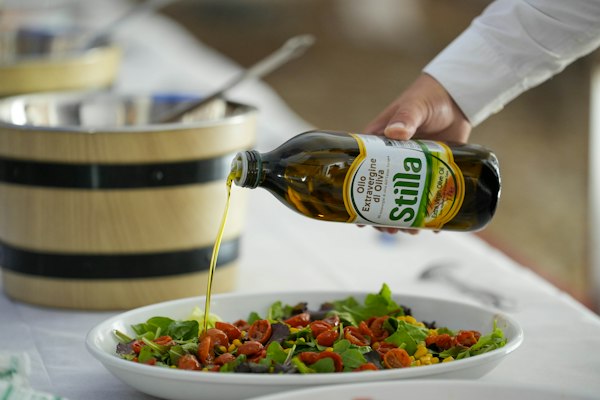
The morning olive oil shot has no studies behind it — but olive oil itself has some of the best longevity evidence of any food. PREDIMED, 28 years of Harvard data, why extra virgin matters, and how to buy a good bottle.
 Blue Zones
Most Blue Zones look sunny and mild on a map — but one gets frost, one has 36°C summers, and snowy Nagano now outlives Okinawa. What cold, heat, daylight and hills really explain.
 Men's Health
New drugs are finally regrowing hair, not just slowing loss. Clascoterone, PP405, Rubedo, a hair-specific minoxidil pill and China's pyrilutamide — what the trials show, what the headlines skip, and when you could get each one. Plus what works today.
 Fitness
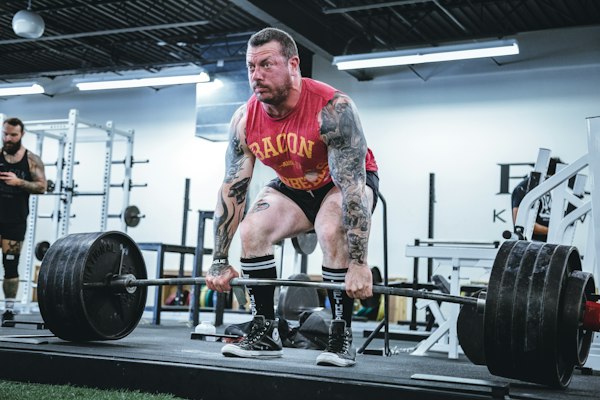
The decline is slow and mostly strength. Volume, load, frequency, failure, protein per meal, creatine and hormones — 22 studies — and a two- or three-day plan built from them, with a protein calculator.
 Fitness
Not 10,000 — that was a pedometer's name. The benefit plateaus at 6,000–8,000 over 60 and 8,000–10,000 under, and the most valuable steps are the first thousand you add. Nine studies.
 Nutrition
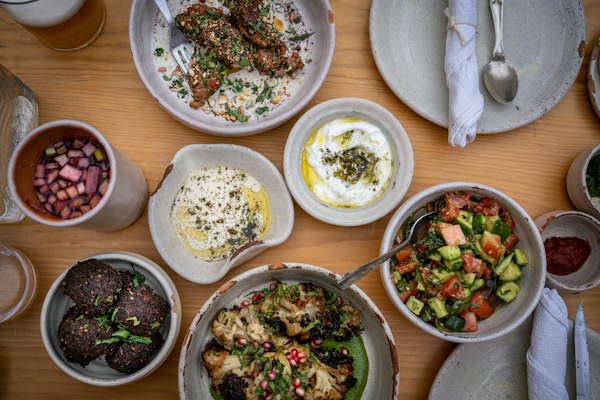
A week of real dishes from the five regions, a bean dish every day, one Sunday prep session, daily nutrition, and a printable tick-off shopping list for two.
 Longevity
Women start 4.9 years ahead. Six levels, 24 studies, and where the evidence for women is different — the menopause clock, the bones, the screening numbers, alcohol, and HRT told honestly.
 Nutrition
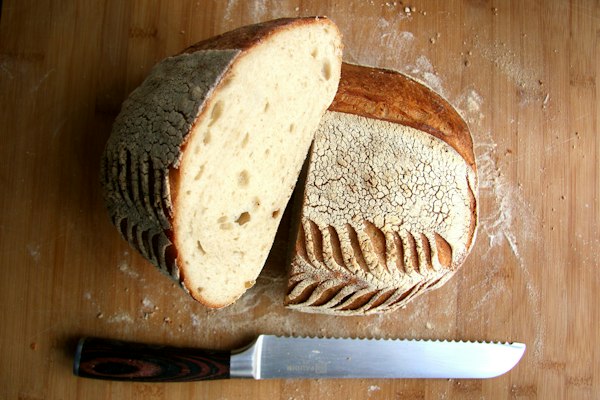
The claim is everywhere. A 2026 review graded 27 human trials the way a health claim has to be graded, and it came back neither sufficient nor convincing. What matters about bread instead.
 Sleep
Seven hours, the same time every day. What sleep does to mortality, the brain and the heart — and every fix ranked by evidence, from CBT-I to melatonin. 36 studies.
 Longevity
Men die 4.9 years earlier. Six levels, sixteen studies, and the order every ad gets wrong — from what decides decades to what is sold hardest.
Longevity18 epigenetic clocks, two kinds of reliability, almost no relationship between them. A meal or a stressful hour can move the number. What it's actually worth.
 Longevity
What the world's leading longevity researchers actually agree on — and how to apply it starting today.
 Longevity
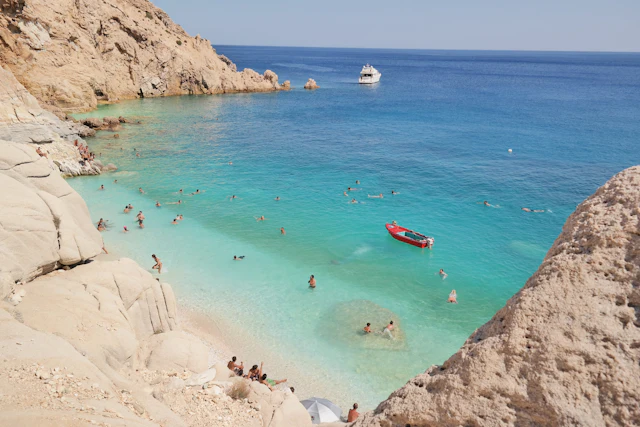
Stamatis Moraitis was told he had six months to live. He moved back to Ikaria — and outlived all nine doctors.
 Longevity
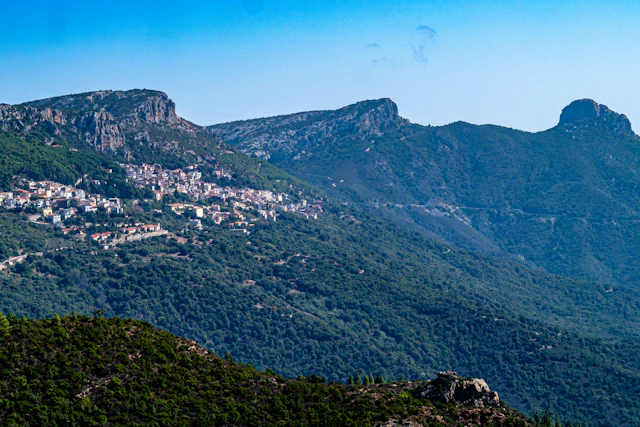
Sardinia's shepherd villages are the only place on earth where men reach 100 as often as women. The original Blue Zone, and what transfers.
 Longevity
The Finnish KIHD cohort: 4+ sessions per week reduces cardiovascular mortality by 50%.
LongevityA 2026 Nature Metabolism RCT — first direct human comparison. What it found and what it means.
 Longevity
BPC-157, sermorelin, CJC-1295 — what peptides actually do, what the science says, what's legal right now.
 Women's Health
Three things have real evidence behind them — including one with an actual randomised trial — and the rest of the shelf is optional. Includes a routine builder.
 Supplements
The muscle evidence is strong and smaller than you think. The brain evidence is contested in the journals. Every claim scored against the studies behind it.
 Fitness
The trials say body composition improves, not declines. The real hazard is what happens when you stop — and the protein and training numbers that protect you. Includes a protein target calculator.
 Women's Health
Where the thresholds came from, why menopause moves them, the two tests missing from your panel, and what really lowers LDL without medication. Includes an interactive lipid-panel reader.
 Longevity
The metabolic switch, ketones, growth hormone and autophagy — what research shows at 12, 24, 48 and 72 hours, and where the popular timeline is invented.
 Fitness
Squat breaks matched frequent walks and beat a single 30-minute walk by ~14% for post-meal glucose. The honest read — and what to do after dinner.
 Fitness
In studies of 600,000+ people, grip strength predicted death better than blood pressure. What your hands know — and the 15-minute weekly fix.
 Fitness
Why the world's top longevity physicians say slow cardio beats HIIT for long-term health outcomes.
 Fitness
A 16-minute protocol developed in Norway. The most validated method for improving VO₂ max ever tested.
 Fitness
A 2025 JAMA study: combining diet and exercise reduces visceral fat 16% more than either alone.
 Fitness
A walk after eating lowers post-meal blood sugar, most when it starts soon after the meal. How much it helps, and who benefits.
 Nutrition
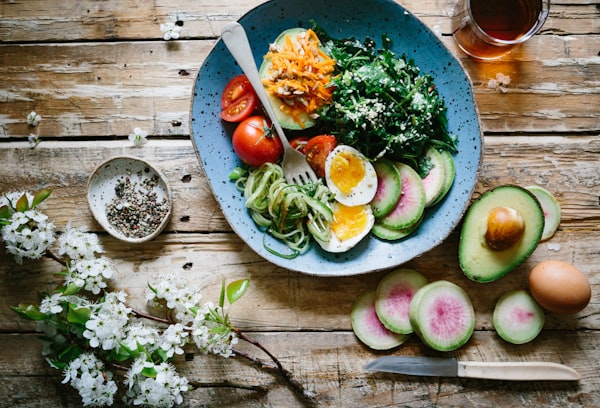
We reviewed 200+ studies. Here's what the evidence actually says about the most popular supplements.
 Nutrition
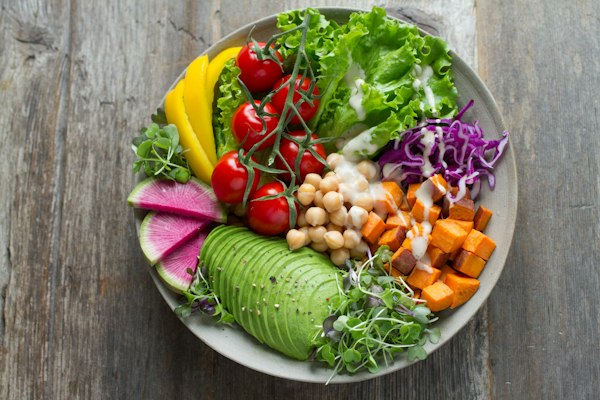
The 24 foods that deliver the most anti-inflammatory benefit per dollar. A practical weekly shop.
Nutrition1.6–2.2g per kg — not the 0.8g RDA. The evidence, the targets by goal, and how to distribute it.
 Nutrition
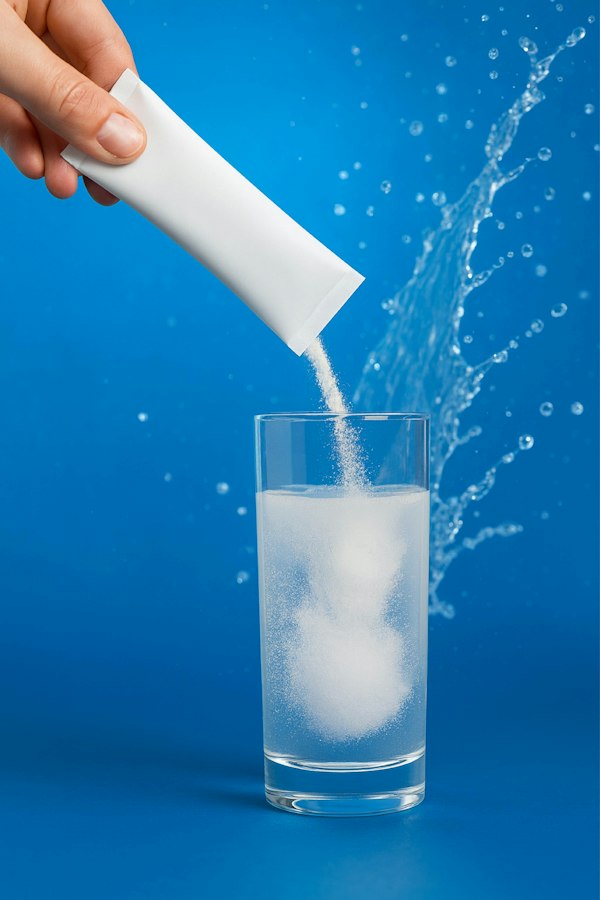
Most people, most days, need only water. When electrolytes do help, how much sodium sweat costs, and who LMNT suits.
NutritionIF isn't gender-neutral. The phase-specific approach that works without disrupting hormones.
NutritionNot just for men. Creatine's benefits for women — muscle, brain, bone density, and postmenopause.
SupplementsKSM-66 vs Sensoril vs root extract. What the evidence actually shows — and who should avoid it.
SupplementsThe supplement that activates the same pathway as metformin. What it does, what it doesn't, and the risks.
 Sleep
Five specific causes, five targeted fixes. Identify your pattern and address the root cause.
SleepGetting sunlight in the first hour after waking resets your circadian clock. The protocol and science.
SleepThree ready-made stacks for onset insomnia, maintenance waking, and non-restorative sleep.
 Meditation
MRI studies show 8 weeks of meditation visibly changes brain structure. The neuroscience and the practice.
Wellbeing58 RCTs, 3,508 people. Mindfulness ranked #1 stress intervention. The complete protocol.
Best OfThorne vs Momentous vs Bulk Supplements. Scored on purity, testing, and value. One clear winner.
Best OfForm matters — from 4% to 80% absorption difference. Which form, what dose, when to take it.
 Best Of
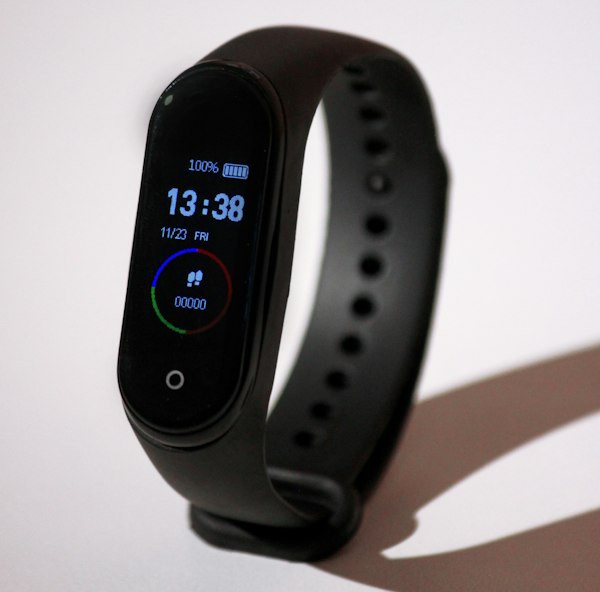
Clinical validation data from 2024–2025 studies. Which wearable actually tracks sleep most accurately.
Best OfThe problem is rarely the protein — it's the additives. Whey isolate vs pea vs hydrolyzed beef, ranked.
Best OfL-Theanine, Lion's Mane, Rhodiola, Bacopa — ranked by evidence, dosed correctly, stacked properly.
 Recipe
Crisp, caramelised Brussels sprouts with toasted walnuts, lemon and garlic. A Thanksgiving-ready side with a make-ahead plan and honest USDA nutrition.
 Recipe
Sifnos-style revithada: soaked chickpeas slow-baked with soft onions, olive oil, bay and lemon until creamy. A home-oven method with honest USDA nutrition.
 Recipe
Fluffy banana-walnut oat pancakes with no sugar in the batter: blended oats, ripe banana, toasted walnuts. Vegan option, freezer notes and USDA nutrition.
 Recipe
A slow-cooked Italian borlotti bean, potato and kale soup with garlic, rosemary and a Parmesan rind. Better the next day, with USDA nutrition and the evidence.
 Recipe
Okinawa’s everyday stir-fried somen with cabbage, carrot, peppers, greens and browned tofu or tuna. Springy, not gluey, in 35 minutes, with USDA nutrition.
 Recipe
Costa Rica’s everyday lunch plate for 4: rice, black beans, sweet plantain, cabbage salad, avocado and pico, with a timing plan and the evidence.
 Recipe
Greek egg-lemon chicken soup with rice: a proper homemade stock, a reliable way to temper the eggs so they don’t scramble, and honest USDA nutrition.
 Recipe
A barely-cooked Mediterranean chickpea salad with tomato, cucumber, red onion, mint and parsley in lemon and olive oil. The tricks, USDA nutrition and evidence.
 Recipe
Vine leaves rolled around rice, onion, dill, mint and parsley, simmered in olive oil and lemon. Greek Lenten dolmadakia, with USDA nutrition and the evidence.
 Recipe
Silky eggplant and well-browned tofu simmered in ginger-miso, Okinawan nbushi-style. Serves 4 with rice. USDA nutrition and an honest sodium note.
 Recipe
A smoky Loma Linda-style chili of kidney beans, black beans and sweet potato, with a toppings bar. Vegetarian, easily vegan, with USDA nutrition.
 Recipe
Greek spinach and rice simmered in olive oil with spring onions and dill, finished with lemon. A Lenten classic, with USDA nutrition and the evidence.
 Recipe
Horiatiki, the Greek village salad: ripe tomatoes, cucumber, pepper, onion, olives and a slab of feta in olive oil. No lettuce. USDA nutrition and the evidence.
 Recipe
A 20-minute vegan tofu scramble with spinach, peas and tomatoes in the plant-based Loma Linda style. About 24 g protein a serving, with the evidence.
 Recipe
Costa Rican olla de carne with about 117 g of raw beef a bowl, simmered with yuca, chayote, corn, plantain and squash. Gluten-free, with the evidence.
 Recipe
Tomatoes and peppers stuffed with herby rice and baked in olive oil with potato wedges. Greek gemista, a vegetarian one-tin main, with the evidence.
 Recipe
Greek green beans braised slowly with potato, tomato and plenty of olive oil, served at room temperature with bread and feta. Everyday Greek ladera.
 Recipe
A one-pot Loma Linda-style stew of chickpeas, sweet potato and kale, ready in under an hour. Plant-forward Adventist weeknight cooking, with the evidence.
 Recipe
Yellow split peas simmered to a collapse, blended with olive oil and lemon, topped with red onion and capers. The everyday legume dish of the Aegean islands.
 Recipe
Chickpeas, spinach, lemon, dill and olive oil: the Greek Lenten classic. About 170 g of legumes a serving, right where the dose-response evidence tops out.
 Recipe
Giant white beans baked in tomato, onion, dill and olive oil. About 20 g of fibre a serving, and the legume dose-response evidence behind the bean-a-day advice.
 Recipe
The Greek summer tray bake, eaten as a main. Plus what the EPIC-Greece study found about vegetables and olive oil in the traditional diet.
 Recipe
A fast autumn soup of squash and red lentils, and what the largest fibre meta-analyses say about the 25–29 g a day most of us miss.
RecipeThe technique under a dozen other recipes. Batch method, the salt argument settled, and the 2026 meta-analysis of 12 prospective studies that puts a number on the cup-a-day advice.
 Recipe
Granola was invented by Adventists in 1863, not by a health-food shop in the 1970s. The original slow-bake method, restrained sweetener, and proper clusters.
 Recipe
Young fava, mint, pecorino and olive oil — the Sardinian spring plate. Includes the favism warning that matters more on this island than anywhere else, and the folklore that turns out to be wrong.
 Recipe
The seaweed dish at the centre of the Okinawan diet — kombu, tofu and carrot in twenty minutes. Plus an honest read on iodine, the one nutrient where more is worse.
 Recipe
The everyday Nicoyan pan — chayote, black beans, corn and coriander, scooped up with a tortilla. The least glamorous recipe here and probably the most representative.
 Recipe
Dried corn, water, and a spoonful of lime — the 3,000-year-old chemistry that freed maize's niacin and stopped pellagra. Nicoya's daily bread, made properly.
 Recipe
The soft sour everyday loaf of the Barbagia highlands — semolina, a live starter, and an overnight cold ferment. Includes an honest read of the 27-study sourdough evidence.
 Recipe
The Sunday-table centrepiece of Loma Linda — lentils, toasted walnuts, oats and sage. Carries the AHS-2 tree-nut data: 80,529 people, 11 years, HR 0.73 for heart mortality.
 Recipe
Whole fish, olive oil, lemon and wild oregano in one tin, 35 minutes. Includes the honest split between eating fish and taking omega-3 capsules.
 Recipe
What dessert actually was in the Blue Zones: fruit, warmed, with honey and walnuts. Four ingredients, no pretending it is a brownie.
 Recipe
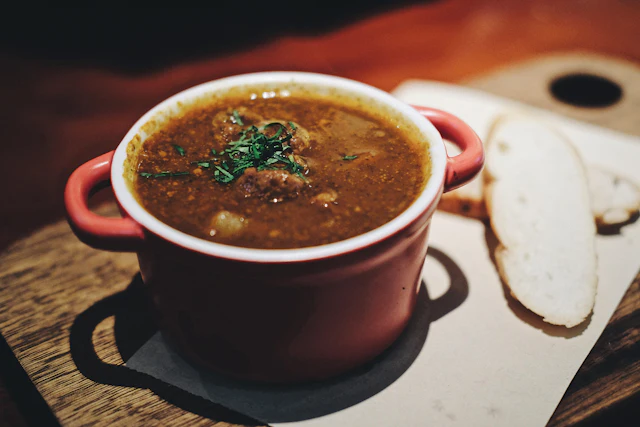
The single most common food across all five Blue Zones. Ikarians eat lentils weekly — cooked long and slow with olive oil, rosemary, and bay leaf. Simple, cheap, extraordinary.
 Recipe
Ikaria's most eaten side dish. Blanched bitter greens — dandelion, chicory, or spinach — finished with exceptional olive oil and lemon. Four ingredients. Extraordinary nutrition.
 Recipe
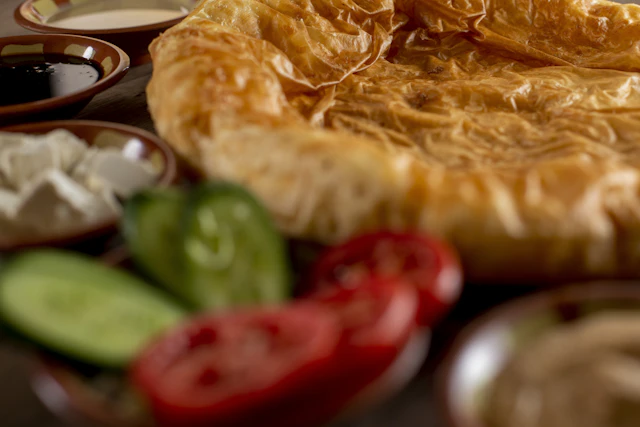
A mountain of wild greens and fresh herbs baked into a crisp olive-oil crust — how Ikaria turns its famous 150 foraged greens into a meal. Vegan without the feta.
 Recipe
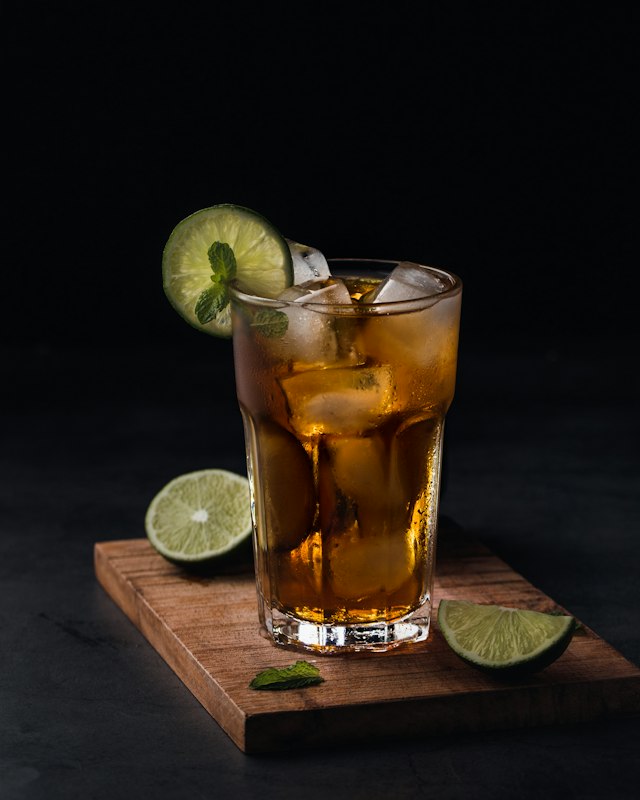
Ikarians drink this wild herb tea daily — mildly diuretic, rich in antioxidants, linked to the island's remarkably low hypertension rates. A ritual as much as a beverage.
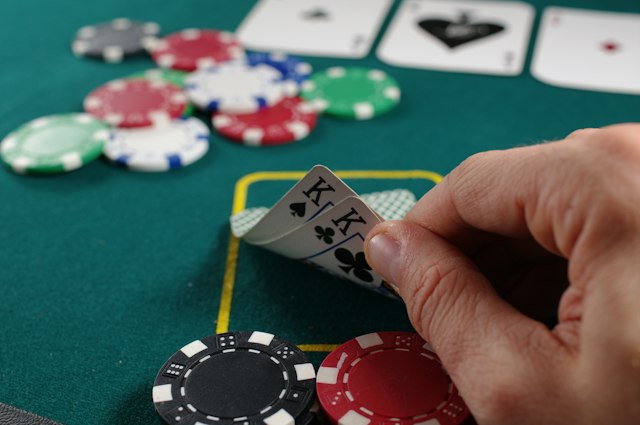 Recipe
Purple sweet potato provided 60% of calories in traditional Okinawa. This champuru — stir-fry — adds tofu, bitter melon, and egg for a complete longevity meal in 20 minutes.
 Recipe
Okinawans eat miso soup for breakfast. The fermented miso feeds gut bacteria; wakame seaweed provides iodine and fucoidan. A three-minute morning ritual backed by a century of data.
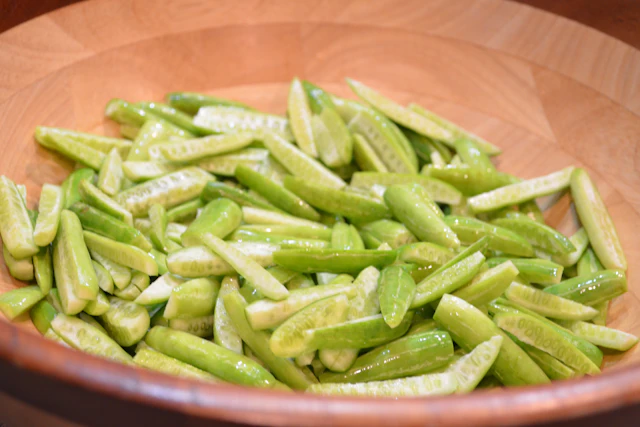 Recipe
Okinawa's signature dish — bitter melon, seared tofu and egg. The bitterness is the point: it's the vegetable Okinawan elders credit most often for their health.
 Recipe
A thick, slow-cooked vegetable and legume soup eaten year-round in the Nuoro highlands. Fava beans, seasonal vegetables, Pecorino Romano, and cold-pressed olive oil. The taste of 100 years.
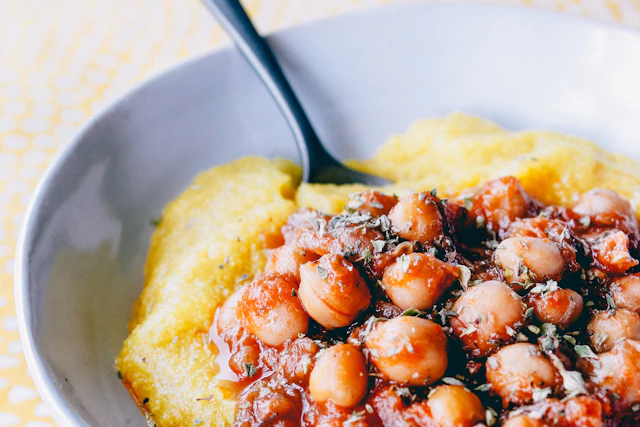 Recipe
Toasted semolina pasta simmered with chickpeas, tomato, and rosemary. The grain-plus-legume one-pot behind the world's longest-lived men. One pot, 40 minutes.
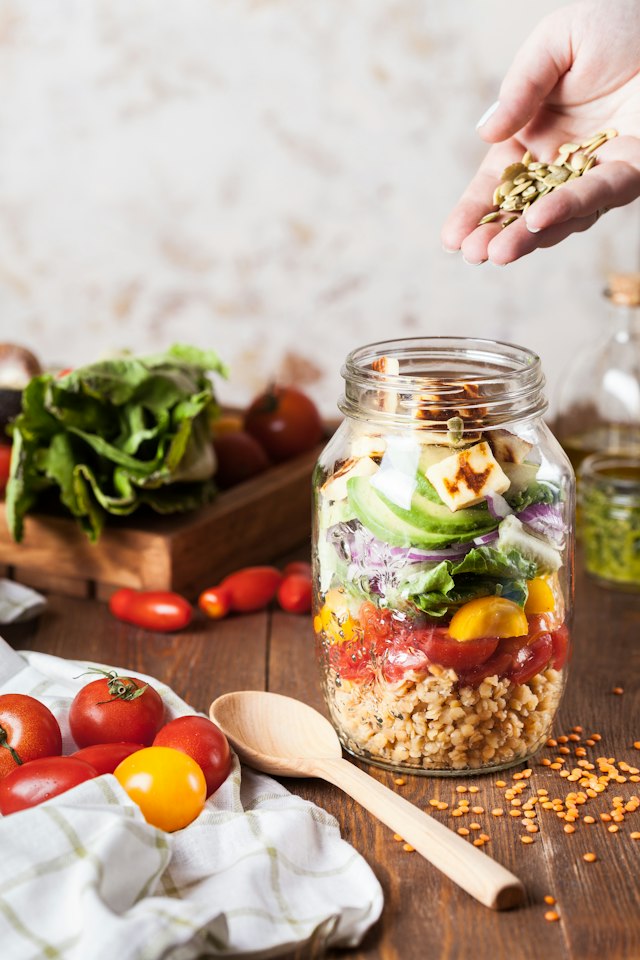 Recipe
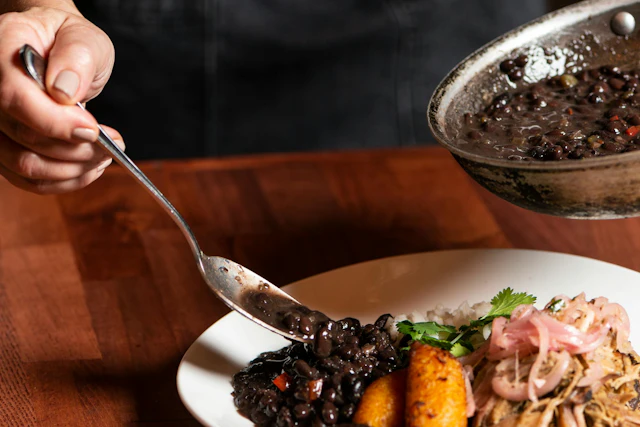
Eaten at almost every meal in Nicoya — this is the most consumed dish in one of the world's great longevity regions. Black beans are among the most nutritionally complete foods on earth.
 Recipe
The trio that has fed Mesoamerica for five thousand years still anchors Nicoya's tables. One pot, deeply savory, nutritionally complete by ancient design.
 Recipe
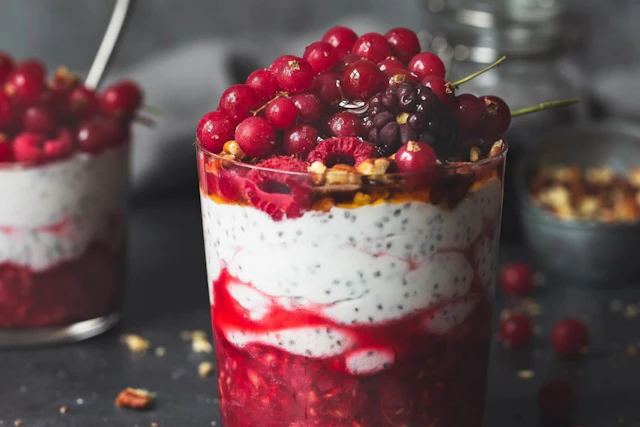
The Adventist breakfast in a jar: oats, walnuts, flax and soy milk, set overnight. The nut habit alone is linked to roughly two extra years in the Adventist Health Study.
 Recipe
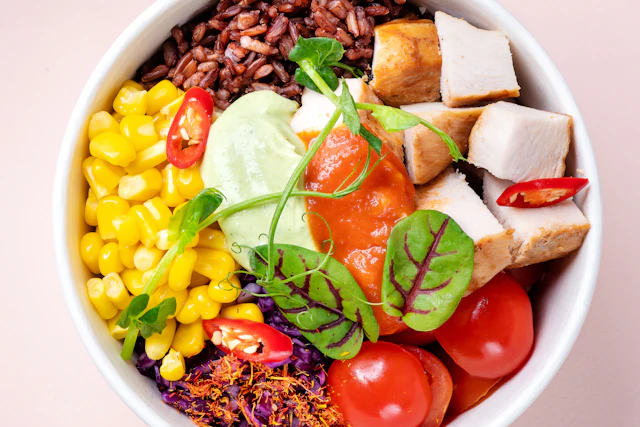
The potluck classic of America's longest-lived community: beans, brown rice and a mountain of fresh vegetables, stacked by each eater. A complete Blue Zone meal in 20 minutes.