- The best-supported parts are the least exotic: a fixed sleep schedule, a Mediterranean-style diet and plenty of exercise (he does about 6 hours a week)
- Fitness is the standout: in 122,007 adults, the least fit quarter had five times the adjusted risk of death of the fittest group
- The eating window and calorie cut are plausible but unproven for longevity
- No trial has tested a supplement stack like his
- He has ended two experiments: young plasma ("no benefits detected") and rapamycin, over side effects
Bryan Johnson, the tech entrepreneur behind the Blueprint brand, has made his own body a public anti-ageing project. He publishes his routine in detail on his protocol site, from bedtime to pills, and sells many of the products he uses through Blueprint (Johnson, Protocol).
Coverage tends to mock him or lionise him. Here's a plainer exercise: take each pillar as he describes it and check it against the research. Johnson himself labels the protocol "an experimental clinical research project" and says it "does not constitute medical advice". This article isn't medical advice either: talk to your doctor before changing medicines, supplements or training.
What Johnson Actually Does
From his protocol page, as of October 2026:
- Sleep: "I go to bed at 8:30 pm and wake up around 4:30 am." Screens off an hour before bed, a wind-down routine, a consistent bedtime and morning light.
- Food: 2,250 calories a day ("10% caloric restriction from RDA"), eaten from about 5:35 am until a final meal at noon. Meals lean on lentils, broccoli, cauliflower, mushrooms, berries, nuts and extra virgin olive oil, plus protein powder and collagen. Of named diets, he says: "I don't identify with any of them."
- Exercise: "Exercise 6 hours a week": three strength sessions, three cardio sessions, 150 minutes of Zone 2 and 75 minutes of vigorous work, plus flexibility, balance and mobility.
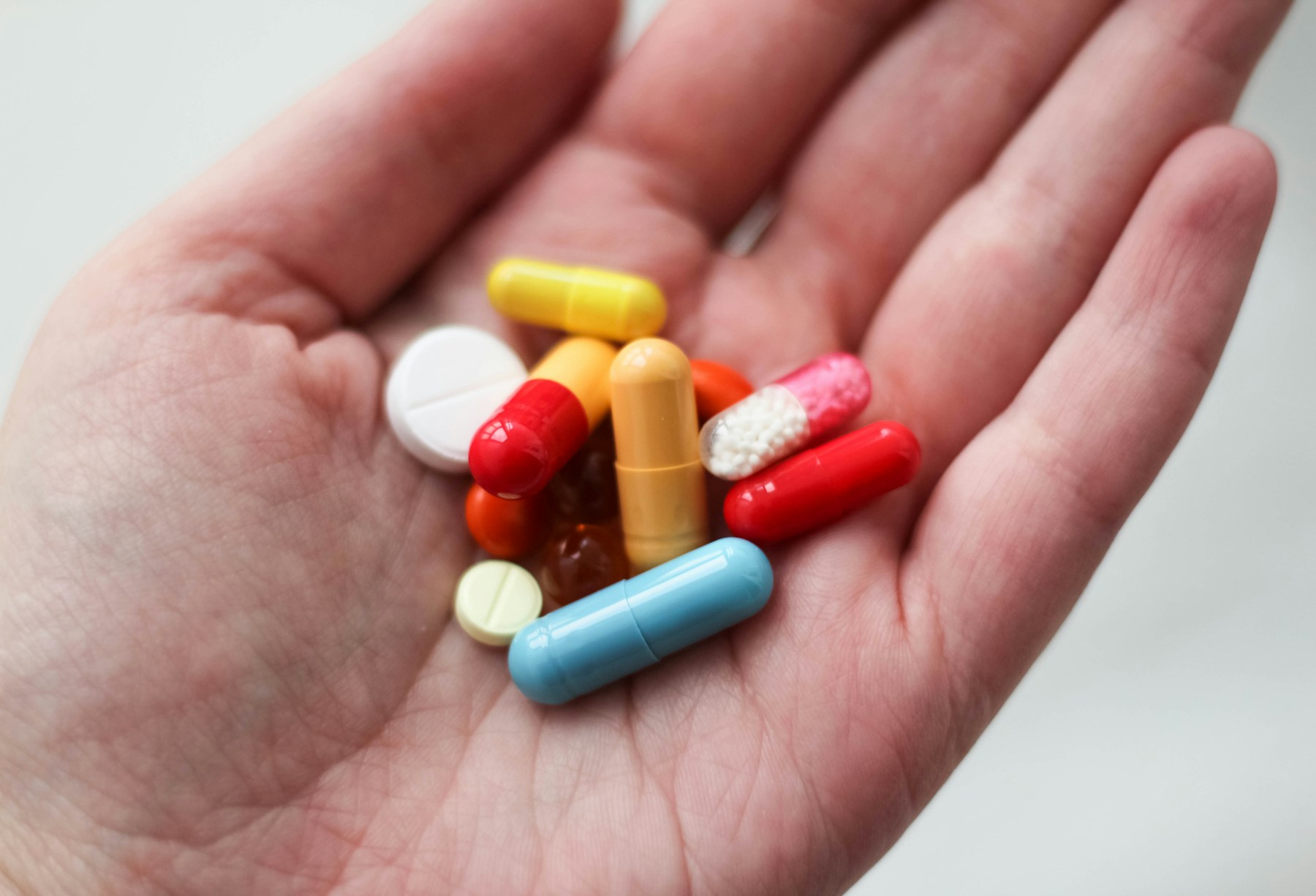
- Supplements and drugs: a daily routine of Blueprint capsules and powders, creatine and fibre powders, and a prescription list that includes thyroid hormone (he reports a hypothyroidism diagnosis at 21), minoxidil, tadalafil, acarbose, empagliflozin (Jardiance), evolocumab (Repatha) and metformin, which he says he is "experimenting" with in "6-week cycles on/off".
- Measurement: his protocol's routine checklist includes a blood draw every 3 to 6 months and an annual full-body MRI "if over 40 or a family history of high risk", among other checks.
His page also lists hyperbaric oxygen, sauna, stem cell injections and gene therapy, which aren't graded here (see our sauna review).
The scale matters. In 2023, Bloomberg Businessweek reported that Johnson was "on track to spend at least $2 million on his body" that year, with "more than 30 doctors and health experts" monitoring him (Vance, Bloomberg Businessweek). Most readers can copy the habits, not the medical team.
Sleep: Consistency First
Grade: Strong evidence (mostly observational)Johnson's sleep rules are the most copyable part of the protocol, and the evidence leans his way. A 2010 meta-analysis in Sleep pooled 16 studies with 1,382,999 people and 112,566 deaths. Short sleep was linked to a 12% higher risk of death (RR 1.12) and long sleep to a 30% higher risk (RR 1.30), though definitions varied between studies (Cappuccio, Sleep 2010). The authors suggested the long-sleep link "may be explained by residual confounding and comorbidities": sleeping 9 hours or more can be a sign of illness, not a cause.
Regularity, which Johnson stresses, may matter as much as hours. In 60,977 UK Biobank participants whose sleep was measured with wrist accelerometers, people in the top four quintiles of sleep regularity had a 20% to 48% lower risk of death than the least regular fifth over a mean of about 6.3 years. The authors concluded that "sleep regularity was a stronger predictor of all-cause mortality than sleep duration" (Windred, Sleep 2023).
Both are observational, so they show association, not proof. But a consistent schedule costs nothing. You don't need an 8:30 pm bedtime, just one you can keep (more in our sleep and longevity guide).
Exercise: The Pillar With the Most Weight
Grade: Strong evidence (mortality data observational)The CDC says adults need 150 minutes of moderate activity a week, or 75 minutes of vigorous activity, plus at least 2 days of muscle-strengthening (CDC). Johnson does the 150 and the 75, plus three strength sessions: roughly double the aerobic minimum.
Fitness is one of the strongest predictors of survival we have. In a 2018 study in JAMA Network Open, 122,007 adults (mean age 53) had a treadmill test and were followed for a median 8.4 years. Risk-adjusted mortality fell with every step up in fitness. Compared with elite performers, the least fit quarter had an adjusted hazard ratio of 5.04, and even "high" performers had more risk than elite ones (Mandsager, JAMA Netw Open 2018). The authors found "no observed upper limit of benefit".
Share who died during follow-up, by fitness level
Mandsager K, et al. JAMA Network Open 2018. Crude deaths divided by group size over a median 8.4 years; categories are age- and sex-matched percentiles of treadmill performance. These raw shares aren't adjusted; after adjustment, the low group's risk was 5.04 times the elite group's. Observational: linked to survival, not proof of cause.
Strength training adds to that. A 2022 meta-analysis of 16 prospective cohort studies in the British Journal of Sports Medicine linked muscle-strengthening activities to a 15% lower risk of death from all causes (relative risk 0.85), with the biggest reduction at about 30 to 60 minutes a week. The authors said the effect of higher volumes "is unclear" (Momma, Br J Sports Med 2022). Combining strength and aerobic work was linked to lower risk than doing neither.
This is the pillar most worth copying, even if you stop well short of 6 hours a week.
Diet: Good Food, an Early Cut-Off and Fewer Calories
What he eats
Grade: Strong evidence for the food patternMinus the branded powders, Johnson's plate resembles a Mediterranean diet, which has trial evidence behind it. In PREDIMED, 7,447 people in Spain at high cardiovascular risk were assigned to a Mediterranean diet with extra virgin olive oil, one with nuts, or a reduced-fat control diet. Over a median 4.8 years, major cardiovascular events (heart attack, stroke or cardiovascular death) were lower in the olive oil group (hazard ratio 0.69) and the nuts group (0.72) than in controls (Estruch, NEJM 2018, via ACC). These are revised 2018 estimates: the authors withdrew their 2013 report because not all participants had been randomised as planned. More in our olive oil guide.
The 10% calorie cut
Grade: Plausible but unproven for longevityNo trial has measured whether modest calorie restriction lengthens human life. The main human test is CALERIE: 218 healthy adults under 50 were asked to cut calories by 25% for two years. They managed about 12% on average, and kept off about 10% of their weight, 71% of it fat. Cholesterol, blood pressure, blood sugar and a marker of inflammation improved (Duke Health, on Kraus, Lancet Diabetes Endocrinol 2019). Better risk factors are encouraging, but they aren't a longer life.
Stopping at noon
Grade: Plausible but unprovenJohnson eats within roughly a six-and-a-half-hour morning window. Time-restricted eating has been tested mainly for weight loss, and the results are mixed:
Does a shorter eating window add anything?
| Trial | Who and how long | Window | Result |
|---|---|---|---|
| Lowe, JAMA Intern Med 2020 | 116 adults with overweight or obesity analysed, 12 weeks | 12 pm–8 pm, no calorie target | −0.94 kg vs −0.68 kg; difference not significant lean mass fell in the eating-window group |
| Liu, NEJM 2022 | 139 adults with obesity, 12 months, calories cut in both groups | 8 am–4 pm | −8.0 kg vs −6.3 kg; difference not significant |
| Jamshed, JAMA Intern Med 2022 | 90 adults with obesity, 14 weeks, calories cut in both groups | 7 am–3 pm vs 12+ hours | −6.3 kg vs −4.0 kg; 2.3 kg more lost diastolic blood pressure 4 mm Hg lower |
Lowe DA, et al. 2020; Liu D, et al. 2022; Jamshed H, et al. 2022. None of these trials measured lifespan, and none studied lean, very active people like Johnson.
In TREAT, the eating-window group also lost lean mass, with a significant between-group difference in arm and leg lean mass among participants who had body-composition scans (Lowe 2020). The 12-month trial concluded that time-restricted eating "was not more beneficial with regard to reduction in body weight" (Liu 2022). The trial closest to Johnson's early window did find extra weight loss (Jamshed 2022). Our fasting timeline covers what happens as the hours pass.
Supplements and Drugs: Untested as a Stack
Grade: Plausible but unprovenHere the evidence thins. We found no trial testing a combination like Johnson's against outcomes such as heart attacks, cancer or death, and large single-supplement trials have mostly disappointed:
- Omega-3. In the VITAL trial, 25,871 US adults took about 1 g a day of omega-3 or a placebo. There was no significant reduction in major cardiovascular events (hazard ratio 0.92) or invasive cancer (1.03), though a secondary analysis found fewer heart attacks (0.72) (NIHR Evidence, on Manson, NEJM 2019).
- Multivitamins and single nutrients. In 2022, the US Preventive Services Task Force found the evidence "insufficient" to recommend multivitamins or most single or paired nutrients to prevent cardiovascular disease or cancer, and recommended against beta-carotene and vitamin E (ACC, on USPSTF 2022).
That doesn't make every item useless: creatine plus resistance training gives a small but reliable strength boost (see our creatine guide). But "each ingredient has a study" isn't "the stack works". Note too that Johnson's page points readers to the "Blueprint stack", which his company sells.
His prescription list is a separate matter. These are prescription medicines, and taking any of them for longevity is a decision for you and a doctor who knows your history, not something to copy from a website.
Measurement: Useful Data, One Person's Results
Grade: Mixed. Standard checks: sensible. Whole-body MRI: no good evidenceJohnson reports striking numbers: blood pressure "lower than 90% of 18-year-olds", and "eight months of 100% perfect sleep" on his wearable. Regular blood tests and check-ups can catch real problems (see our blood tests after 40 guide).
Two cautions. First, one person's biomarkers are not evidence for anyone else. He does dozens of things at once, so nobody can say which habit moved which number, or whether better markers mean a longer life. His own disclaimer says claims about measuring or reversing biological age "are preliminary" (and our biological age test review explains why). Second, more scanning isn't automatically better. The American College of Radiology says there is "no documented evidence that total body screening is cost-efficient or effective in prolonging life" for people without symptoms, and warns of "unnecessary follow-up testing and procedures" (ACR, 2023).
Young Plasma and Rapamycin: What He Stopped
Grade: No good evidence / possible harmTo his credit, Johnson publishes the experiments that didn't work.
Young plasma. In 2023 he did a widely covered plasma exchange involving his then-17-year-old son and 70-year-old father. In July 2023 he posted: "Discontinuing therapy: completed 6, 1L young plasma exchanges" and "Evaluated biomarkers from biofluids, devices and imaging, no benefits detected." He added that young plasma exchange "may be beneficial for biologically older populations or certain conditions" and that it "does not in my case stack benefit on top of my existing interventions" (Fortune, 2023). In 2019 the FDA warned: "There is no proven clinical benefit of infusion of plasma from young donors to cure, mitigate, treat, or prevent these conditions", conditions it said range from "normal aging and memory loss" to dementia and Parkinson's disease, and warned of "infectious, allergic, respiratory and cardiovascular risks, among others" (FDA statement; STAT, 2019).
Rapamycin. Johnson began taking rapamycin, a transplant drug that extends lifespan in mice, in 2019. In September 2024 he ended it, saying the benefits didn't outweigh the drawbacks. He reported intermittent skin infections, high glucose, abnormal blood lipids and a higher resting heart rate, and wrote that "since dosage adjustments had no effect, we decided to discontinue it entirely" (Johnson, 2025; Scientific American/Nature, 2026). Whether rapamycin extends human life hasn't been established. We go through the evidence in rapamycin and longevity.
Bryan Johnson's protocol, graded
| Pillar | What he does | Grade | Key evidence |
|---|---|---|---|
| Exercise | 6 h a week: 150 min Zone 2, 75 min vigorous, 3 strength sessions | Strong evidence | 122,007 adults: low vs elite fitness, adjusted HR 5.04 Mandsager 2018; Momma 2022 |
| Sleep | Bed 8:30 pm, up about 4:30–5 am, fixed schedule, wind-down | Strong evidence observational | Regular sleepers: 20–48% lower mortality Windred 2023; Cappuccio 2010 |
| Food pattern | Vegetables, legumes, berries, nuts, extra virgin olive oil | Strong evidence | PREDIMED: major CV events HR 0.69 with olive oil Estruch 2018 |
| Calorie cut | 2,250 kcal, about 10% below RDA | Plausible but unproven | CALERIE: about 12% cut improved risk factors over 2 years no lifespan data |
| Eating window | Last meal around noon | Plausible but unproven | Mixed weight-loss trials Lowe 2020; Liu 2022; Jamshed 2022 |
| Supplements | Daily Blueprint stack, creatine, fibre powders | Plausible but unproven | No trial of the stack; VITAL omega-3 null on main outcomes Manson 2019; USPSTF 2022 |
| Testing | Protocol checklist: bloods every 3–6 months; annual full-body MRI if over 40 or high risk | Mixed | ACR: no evidence total body screening prolongs life |
| Young plasma | 6 exchanges; stopped 2023 | No good evidence / possible harm | "No benefits detected" (Johnson); FDA 2019 warning |
| Rapamycin | Taken from 2019; stopped September 2024 | No good evidence / possible harm | Side effects he reported; human lifespan benefit not shown |
Grades are The Longevity Den's judgment of the published evidence for the general practice, not of Johnson's personal results. Protocol details from protocol.bryanjohnson.com, October 2026.
What You Can Reasonably Borrow
- Train first: at least 150 minutes of moderate activity (or 75 vigorous) plus 2 strength days, then build.
- Fix your sleep schedule: same bedtime and wake time, at hours that fit your life.
- Eat the Mediterranean way: vegetables, legumes, nuts, berries, extra virgin olive oil. No branded powder needed.
- Treat the eating window as optional. If you're older or trying to keep muscle, watch your protein.
- Take supplements only for a specific, evidence-backed reason, and tell your doctor and pharmacist.
- Don't copy prescriptions or experimental therapies. Discuss them with your doctor, or look for a clinical trial.
Frequently Asked Questions
The boring parts work. The exotic parts are untested.
At its foundations, Bryan Johnson's protocol is advice any good doctor would recognise: train often, sleep on a schedule, eat mostly plants with olive oil and nuts. The calorie cut and early eating window are unproven for longevity, the stack is untested, and he has dropped two of his boldest experiments.
His results are one person's. Borrow the habits, skip pills you don't need, and talk to your doctor before anything with a prescription attached.
Sources
- Johnson B. Bryan Johnson's Protocol. protocol.bryanjohnson.com, accessed 22 October 2026.
- Vance A. How to Be 18 Years Old Again for Only $2 Million a Year. Bloomberg Businessweek, 2023 (via inkl).
- Cappuccio FP, D'Elia L, Strazzullo P, Miller MA. Sleep duration and all-cause mortality: a systematic review and meta-analysis of prospective studies. Sleep 2010;33(5):585–592.
- Windred DP, Burns AC, Lane JM, et al. Sleep regularity is a stronger predictor of mortality risk than sleep duration: a prospective cohort study. Sleep 2023 (doi:10.1093/sleep/zsad253).
- Centers for Disease Control and Prevention. Physical activity guidelines for adults.
- Mandsager K, Harb S, Cremer P, et al. Association of cardiorespiratory fitness with long-term mortality among adults undergoing exercise treadmill testing. JAMA Network Open 2018;1(6):e183605.
- Momma H, Kawakami R, Honda T, Sawada SS. Muscle-strengthening activities are associated with lower risk and mortality in major non-communicable diseases: a systematic review and meta-analysis of cohort studies. British Journal of Sports Medicine 2022;56(13):755–763.
- Estruch R, Ros E, Salas-Salvadó J, et al. Primary prevention of cardiovascular disease with a Mediterranean diet supplemented with extra-virgin olive oil or nuts. New England Journal of Medicine 2018;378(25) (doi:10.1056/NEJMoa1800389). As summarised by the American College of Cardiology.
- Kraus WE, Bhapkar M, Huffman KM, et al. 2 years of calorie restriction and cardiometabolic risk (CALERIE): exploratory outcomes of a multicentre, phase 2, randomised controlled trial. Lancet Diabetes & Endocrinology 2019;7(9):673–683 (doi:10.1016/S2213-8587(19)30151-2). As reported by Duke Health (24 September 2019).
- Lowe DA, Wu N, Rohdin-Bibby L, et al. Effects of time-restricted eating on weight loss and other metabolic parameters in women and men with overweight and obesity: the TREAT randomized clinical trial. JAMA Internal Medicine 2020;180(11):1491.
- Liu D, Huang Y, Huang C, et al. Calorie restriction with or without time-restricted eating in weight loss. New England Journal of Medicine 2022;386(16):1495–1504.
- Jamshed H, Steger FL, Bryan DR, et al. Effectiveness of early time-restricted eating for weight loss, fat loss, and cardiometabolic health in adults with obesity: a randomized clinical trial. JAMA Internal Medicine 2022;182(9):953.
- Manson JE, Cook NR, Lee IM, et al. Marine n−3 fatty acids and prevention of cardiovascular disease and cancer. New England Journal of Medicine 2019;380(1):23–32. As summarised by NIHR Evidence.
- US Preventive Services Task Force. Vitamin, mineral, and multivitamin supplementation to prevent cardiovascular disease and cancer. JAMA 2022;327(23):2326. As reported by the American College of Cardiology (21 June 2022).
- American College of Radiology. ACR statement on screening total body MRI. 17 April 2023.
- Mikhail A. Tech CEO Bryan Johnson admits he saw 'no benefits' after controversially injecting his son's plasma into his body to reverse his biological age. Fortune, 8 July 2023.
- US Food and Drug Administration. Statement from FDA Commissioner Scott Gottlieb, M.D., and Director of FDA's Center for Biologics Evaluation and Research Peter Marks, M.D., Ph.D., cautioning consumers against receiving young donor plasma infusions. 19 February 2019. Text as reproduced by American Pharmaceutical Review; reported by STAT.
- Stokel-Walker C. Tech titans are hacking their bodies for a longer life: is there science behind their methods? Nature 2026;654:589–591. Republished by Scientific American as Silicon Valley's longevity biohackers are engaged in a dangerous experiment.
- Johnson B. I stopped taking rapamycin. Blueprint, 25 January 2025.