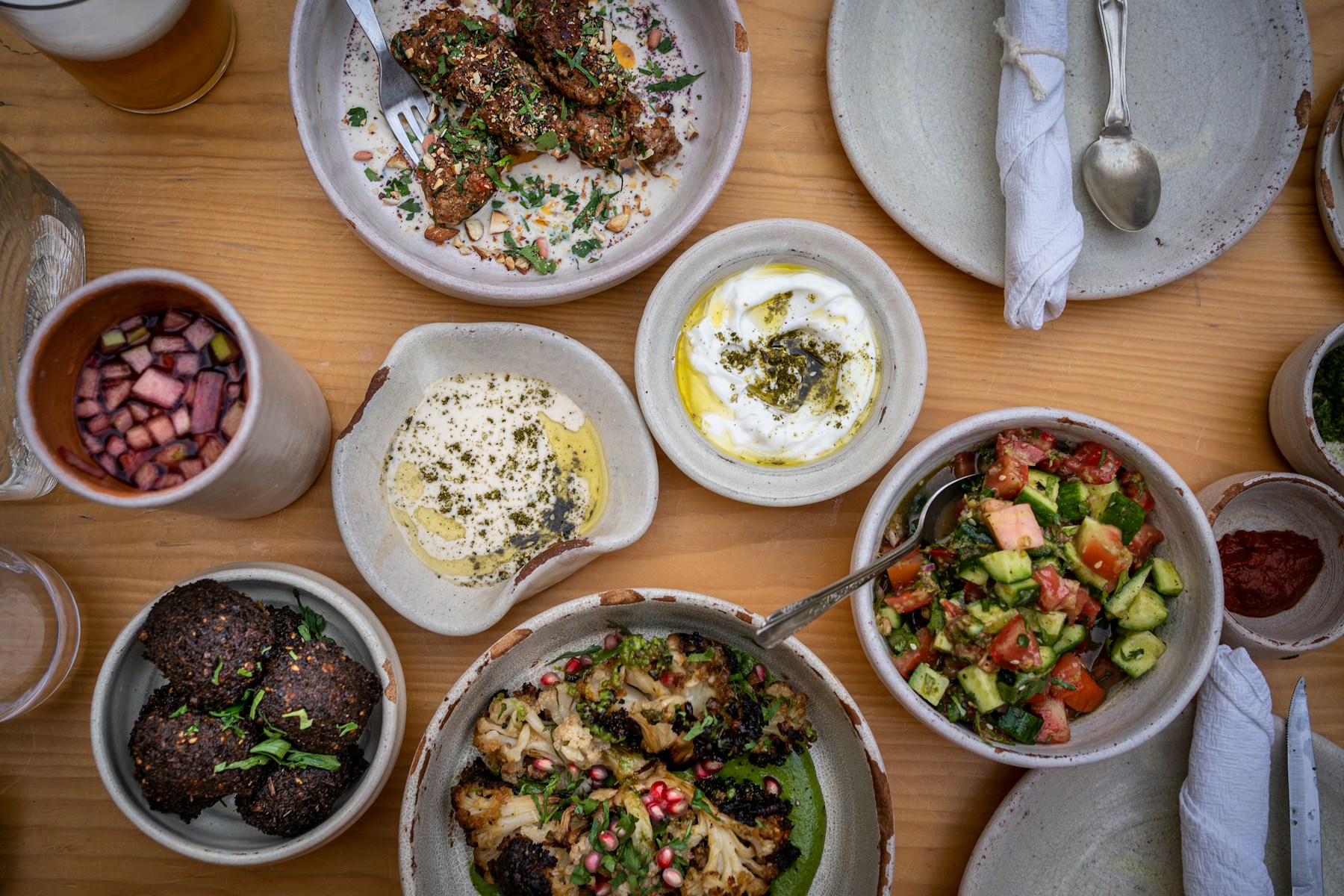
- Seven days, 18 of this site's recipes, from all five Blue Zones — Ikaria, Okinawa, Sardinia, Nicoya and Loma Linda. Nothing exotic you can't buy in a normal supermarket
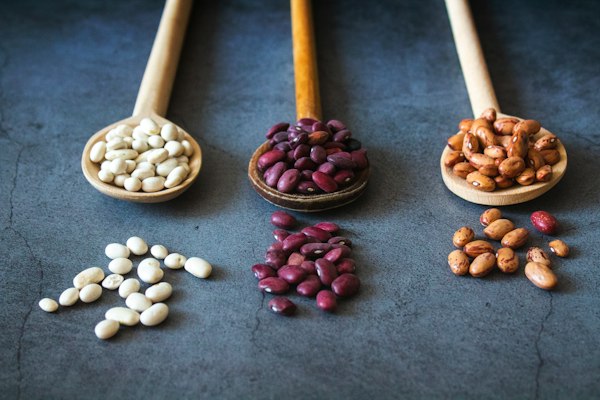
- A bean dish every single day, a handful of nuts every day, greens most days, whole grains, fish once and no meat this week — meat is optional in this pattern, and rare in the everyday cooking of all five regions
- One Sunday session (a pot of black beans, the fasolada, a tray of granola) makes the weekdays fast. Most dinners make four portions; the other two are tomorrow's lunch
- About 1,800 calories, 67 g protein and 43 g fibre a day — well above the 25–29 g of fibre at which the Lancet's review found the largest mortality reduction
- A printable, tick-off shopping list for two people is at the bottom
Most "Blue Zone meal plans" online are a list of healthy-sounding dishes — salmon bowls, chia pudding, turmeric lattes — that nobody in any of the five regions actually eats. This one is built only from dishes that are eaten there, every one of them already on this site as a full recipe with its own evidence box. It is also built to be cooked by someone with a job: one longer session on Sunday, and weekday dinners of 20 to 45 minutes, most of which make tomorrow's lunch.
It is written for two people. For one, halve the shopping list and freeze more; for four, most recipes are already sized for you.
Five Rules, and the Evidence for Each
Where those numbers come from
Legumes: the 2026 dose-response meta-analysis in BMJ Nutrition, Prevention & Health — relative risk 0.84 (95% CI 0.77–0.93) for hypertension, high versus low legume intake, 10 cohorts and 309,853 people. Nuts: Aune's 2016 meta-analysis in BMC Medicine — 0.78 (0.72–0.84) per 28 g a day for all-cause mortality, 0.71 for coronary heart disease. Whole grains: Aune's 2016 analysis in the BMJ — 0.83 (0.77–0.90) per 90 g a day. Fibre: the WHO-commissioned Lancet series (2019) — 15–30% lower all-cause and cardiovascular mortality in the highest fibre consumers, greatest at 25–29 g a day. Plant-based pattern: Adventist Health Study 2 — vegetarians' hazard ratio 0.88 (0.80–0.97). All of these are associations from cohort studies, not trials, and nobody has tested a Blue Zone week as a whole. The plan puts the best-supported components together; it doesn't claim more than that. The Blue Zones page covers the debate about the regions themselves.
The Sunday Session
About three hours, most of it unattended. Soak the black beans and white beans on Saturday night. On Sunday: cook the bean batch at one and a half times the recipe (750 g dried black beans — it feeds the burgers, the sopa negra, the gallo pinto and Saturday's chorreadas); make the fasolada (six portions: Monday and Tuesday lunch, two for the freezer); and bake the granola while the pots simmer. Refrigerate the beans in their liquid — they keep five days, and freeze well for the rest of the week's needs.
Seven Days, Day by Day
- BreakfastAdventist granola with plain yogurt and berries
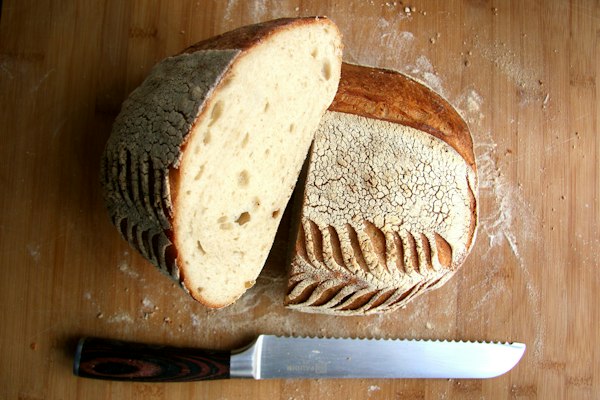
- LunchFasolada with wholegrain bread and olives
- DinnerIkarian baked fish with potatoes, and horta
- SnackA handful of walnuts (30 g), an apple, a cup of mountain tea
Prep: Tonight: make two jars of overnight oats for tomorrow.
- BreakfastOvernight oats with walnuts and berries
- LunchFasolada with wholegrain bread and olives
- DinnerBean & walnut burger in a wholegrain bun, green salad
- SnackA handful of walnuts (30 g), an apple, a cup of mountain tea
Prep: Make the burger mix in the morning or at lunch so it can chill; freeze 2 of the 6 patties.
- BreakfastAdventist granola with plain yogurt and berries
- LunchLeftover bean burger in wholegrain bread with salad
- DinnerKufa-jushi with miso soup
- SnackA handful of walnuts (30 g), an apple, a cup of mountain tea
Prep: Soak the kombu and shiitake in cold water in the morning; the jushi makes four portions, and two become tomorrow's breakfast.
- BreakfastLeftover kufa-jushi as rice balls, with miso soup
- LunchSardinian fava & mint salad with bread
- DinnerMalloreddus with tomato & saffron, green salad
- SnackA handful of walnuts (30 g), an apple, a cup of mountain tea
Prep: Tonight: two more jars of overnight oats. Take frozen broad beans out for the salad if you haven't.
- BreakfastOvernight oats with walnuts and berries
- LunchLeftover malloreddus with the last of the fava salad
- DinnerSopa negra with a soft egg and corn tortillas
- SnackA handful of walnuts (30 g), an apple, a cup of mountain tea
Prep: Sopa negra takes 25 minutes from the bean batch. Freeze 2 portions without the egg.
- BreakfastChorreadas with black beans and a spoon of sour cream
- LunchSopa negra with a soft egg and corn tortillas
- DinnerBlack-eyed peas with fennel & greens, bread, a little feta
- SnackA handful of walnuts (30 g), an apple, a cup of mountain tea
Prep: The black-eyed peas cook from dry in about 40 minutes — no soaking. They make four portions; two are tomorrow's lunch.
- BreakfastGallo pinto with a fried egg and avocado
- LunchBlack-eyed peas with fennel & greens, bread, a little feta
- DinnerLongevity lentil soup with bread
- DessertBaked apple with honey & walnuts
- SnackA handful of walnuts (30 g), a cup of mountain tea
Prep: Soak next week's beans tonight. The lentil soup makes 4 — the other 2 are Monday's lunch.
The week in numbers
| Day | Calories | Protein (g) | Fibre (g) | Beans |
|---|---|---|---|---|
| Monday | 2,020 | 94 | 38 | Yes |
| Tuesday | 1,770 | 55 | 42 | Yes |
| Wednesday | 1,710 | 61 | 32 | Yes |
| Thursday | 1,710 | 54 | 30 | Yes |
| Friday | 1,900 | 70 | 48 | Yes |
| Saturday | 1,660 | 66 | 51 | Yes |
| Sunday | 1,840 | 72 | 60 | Yes |
| Daily average | 1,800 | 67 | 43 | 7 of 7 |
Per person. Estimates from each recipe's nutrition panel plus typical values for the staples (150 g plain yogurt, a slice of wholegrain bread, 30 g walnuts, an apple); treat them as ±15%. This is an eating pattern, not a weight-loss plan — adjust portions to your appetite, size and activity. Anyone on a prescribed diet, or managing diabetes, kidney disease or a food allergy, should check it with their clinician first.
Everything for the Week, for Two
Produce
Beans, grains & pasta
Nuts, seeds & dried fruit
Tins, jars & pantry
Spices
Fridge
Fish counter
Bakery
Freezer aisle
Assumes basics you already have: salt, pepper, a little neutral oil and sugar. The olive oil is not a typo — Ikarian and Sardinian cooking uses a lot of it, and most of the recipes finish with raw oil.
What's in the Freezer for Next Week
Two portions of fasolada, two bean burgers, two portions of sopa negra and two of lentil soup — four ready meals. Next Sunday you only need a new bean batch and one new pot. Swap in the dishes this week didn't use: Sardinian minestrone, three sisters stew, Adventist haystacks, goya champuru, fregula with chickpeas, hortopita. The recipe index has all 30.
Beans every day. Nuts every day. Cook on Sunday.
That's the whole plan in nine words. The rest is detail — which beans on which day, how to turn Sunday's pot into Friday's soup — and the detail is what makes it survive contact with a working week.
Print the list, soak the beans on Saturday night, and see how Wednesday feels.